
Ready to Turn Your Craft Passion into Profit in 2025?
The handmade market is booming, offering incredible opportunities for talented artisans. If you're wondering 'jakie rękodzieło najlepiej się sprzedaje' (what handmade items sell best), you're in the right place. We've curated a list of 7 popular and profitable craft categories to inspire your creative business journey. From timeless classics to emerging trends, let's explore what buyers are looking for. Unique art, like Wiktoria Florek's emotionally charged paintings offering deep transformation and value, also finds its market, proving passion and awareness lead to success.
1. Handmade Jewelry – Biżuteria Rękodzielnicza
When considering jakie rękodzieło najlepiej się sprzedaje (what handmade crafts sell best), handmade jewelry consistently emerges as a leading category. Its universal appeal, coupled with the potential for personalization and artistic expression, makes it a highly sought-after item for both creators and consumers. From delicate earrings to statement necklaces, handcrafted jewelry offers a unique blend of artistry and wearability that resonates across diverse demographics and occasions.
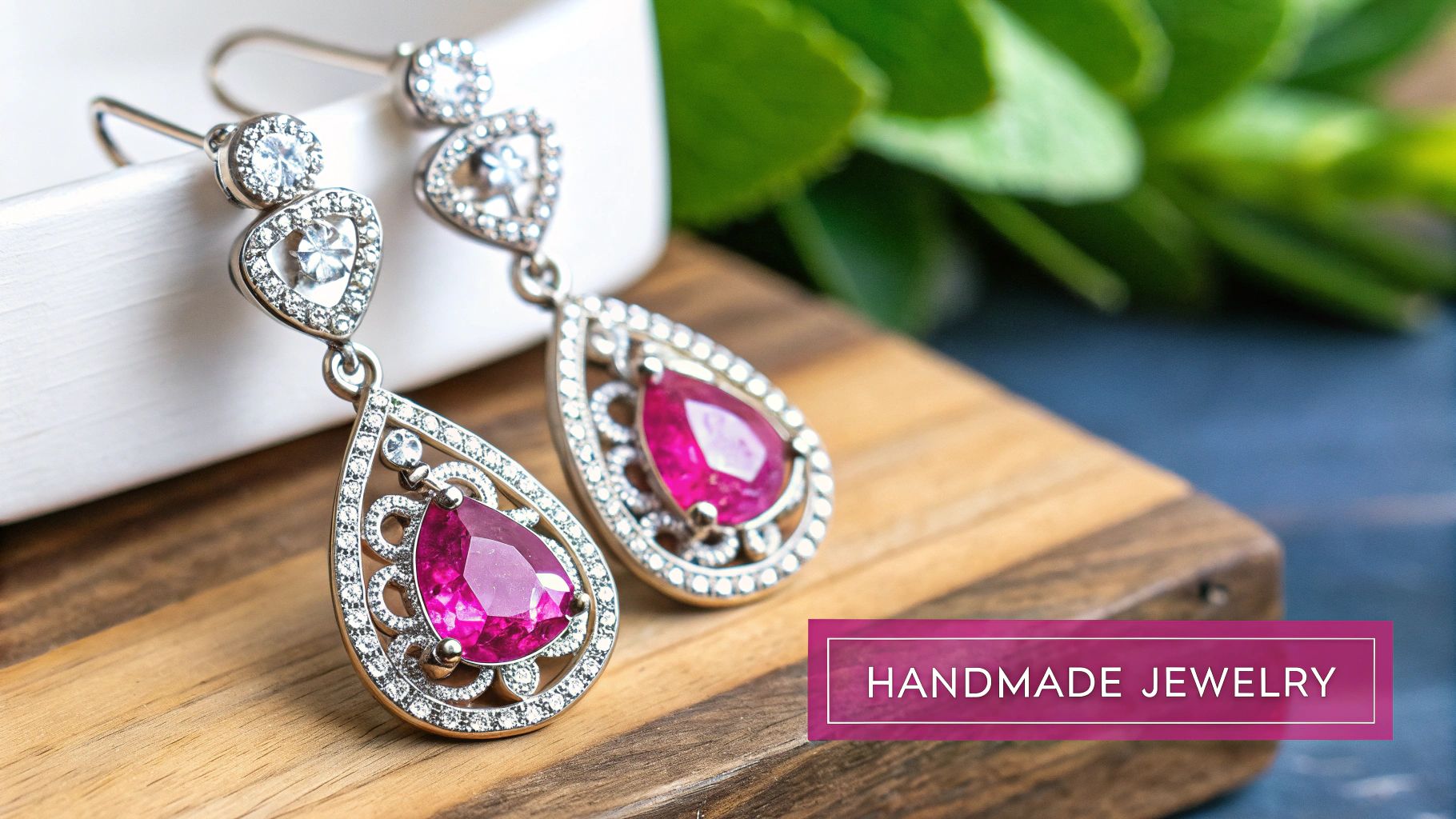
Handmade jewelry, or biżuteria rękodzielnicza, refers to pieces crafted by an artisan rather than mass-produced in a factory. This involves a meticulous process where skill, creativity, and attention to detail are paramount. Creators utilize a vast array of materials, ranging from precious metals like sterling silver and gold to vibrant gemstones, lustrous pearls, colorful beads, versatile wire, and even modern mediums like resin. The techniques employed are equally diverse and include:
- Wire Wrapping: Shaping wire around gemstones or beads to create intricate designs without soldering.
- Beading: Stringing beads onto thread, wire, or elastic to form necklaces, bracelets, and earrings, often incorporating complex patterns.
- Metalworking (Metalsmithing): Involves sawing, filing, soldering, hammering, and polishing metals to create custom shapes and settings.
- Resin Casting: Pouring liquid resin, often embedded with flowers, glitter, or pigments, into molds to create unique pendants, earrings, or charms.
The magic of handmade jewelry lies in its inherent uniqueness. Each piece often carries a story, reflecting the artisan's vision and passion. This personal touch is a significant draw for buyers seeking items that stand out from mass-market alternatives and express individual style. This bespoke nature is key to why it answers jakie rękodzieło najlepiej się sprzedaje so effectively.
Handmade jewelry rightfully earns its top spot on any list discussing jakie rękodzieło najlepiej się sprzedaje due to a compelling combination of features and benefits that appeal to both makers and buyers:
- Customizable Designs and Personalization: This is perhaps the most significant advantage. Artisans can offer bespoke pieces, tailor designs to individual preferences, incorporate birthstones, engrave initials or meaningful dates, making each item deeply personal. This transforms a simple accessory into a cherished keepsake or a thoughtful gift.
- Wide Range of Materials: The spectrum of materials used in handmade jewelry caters to all tastes and budgets. From affordable yet stylish beaded items or brass pieces to luxurious creations featuring fine silver, gold, and precious gemstones, there's something for everyone. This versatility allows makers to target specific market segments effectively.
- Lightweight and Easy to Ship: Compared to other crafts like pottery or large artworks, most jewelry items are small, lightweight, and durable. This significantly reduces shipping costs and complexities, making online sales and international distribution highly feasible – a crucial aspect for reaching a global audience.
- High Profit Margins: While material costs can vary, the perceived value of handcrafted, unique jewelry is often high. Artisans can typically achieve profit margins ranging from 300% to 500%, especially for well-designed and skillfully executed pieces. This makes it an attractive business venture.
- Suitable for Various Skill Levels: Aspiring jewelers can start with simpler techniques like beading or basic wire wrapping, requiring minimal initial investment in tools. As skills develop, they can progress to more complex methods like metalsmithing or gemstone setting, allowing for continuous growth and artistic evolution.
Like any craft business, selling handmade jewelry has its advantages and challenges:
Pros:
- Consistently High Demand: Jewelry is a perennial favorite for self-purchase and gifting, with demand remaining strong across all demographics.
- Relatively Low Startup Costs: Basic jewelry-making supplies and tools can be acquired without a massive initial investment, especially for techniques like beading.
- Can Be Produced in Small Spaces: A dedicated home studio can be as simple as a well-organized desk.
- Strong Online Marketplace Presence: Platforms like Etsy, Amazon Handmade, and social media provide ready-made avenues to reach customers.
- Repeat Customers: Satisfied customers often return for gifts, to expand their collections, or for custom pieces, fostering loyalty.
Cons:
- Highly Competitive Market: The popularity means many sellers; standing out requires a unique style, quality, and effective marketing.
- Seasonal Fluctuations in Sales: Peaks often occur around holidays (Christmas, Valentine's Day, Mother's Day) and wedding season.
- Quality Materials Can Be Expensive: Sourcing high-quality gemstones and precious metals can be costly.
- Time-Intensive for Complex Pieces: Intricate designs require significant labor, which must be factored into pricing.
The success of handmade and designer jewelry is evident across various scales. The global phenomenon of Pandora charm bracelets, for example, significantly fueled the desire for personalized, collectible jewelry, inspiring countless indie makers. On platforms like Etsy, numerous jewelry sellers report annual incomes exceeding $50,000, demonstrating the viability of this craft. At a local level, vendors at craft fairs often achieve sales of $200-$500 or more per event.
The digital age has also propelled jewelry brands. Many Instagram jewelry brands have cultivated followings of over 100,000. Brands like Alex and Ani, with their iconic expandable wire bangles, and Kendra Scott, known for her vibrant semi-precious stone jewelry, started small and grew into empires. In Poland, local artisans on platforms like Allegro and Etsy are thriving by offering unique designs that cater to both domestic and international tastes.
To navigate the competitive landscape and successfully sell handmade jewelry, consider these actionable tips:
- Focus on a Specific Niche: Identify a niche (e.g., minimalist, boho, vintage-inspired) that resonates with your style to stand out.
- Invest in Quality Photography: For online sales, clear, appealing product photos from multiple angles are paramount.
- Offer Customization and Personalized Engraving: This adds significant value and is a major draw for handmade items.
- Build a Strong Social Media Presence: Use visual platforms like Instagram and Pinterest to share your work, process, and engage with followers.
- Partner with Local Boutiques for Consignment Sales: This can expand your reach to a local customer base.
To explore diverse styles and product presentations, you can Learn more about Handmade Jewelry – Biżuteria Rękodzielnicza and see how different artisans showcase their work.
Embarking on selling handmade jewelry is an excellent choice for individuals with a passion for design, meticulous attention to detail, and joy in handcrafting. It's ideal if you're seeking a craft offering creative fulfillment and scalable business potential.
Choose this path if:
- You have a distinct artistic vision for wearable art.
- You are dedicated to honing your craft and learning new techniques.
- You enjoy creating meaningful pieces that connect with customers.
- You are looking for a business that can start small and grow over time.
Why it sells: Handmade jewelry consistently answers the question of jakie rękodzieło najlepiej się sprzedaje due to its enduring high demand. The potential for attractive profit margins and the ability to forge genuine connections with customers through unique, personalized items make it a rewarding field. It allows for immense creative expression and, despite the competition, offers ample opportunity for those who can carve out a unique identity and produce high-quality work. The relatively low initial investment for certain techniques also lowers the barrier to entry, making it an accessible and appealing option for aspiring artisans.
2. Handmade Soaps and Cosmetics – Mydła i Kosmetyki Naturalne
When exploring jakie rękodzieło najlepiej się sprzedaje, handmade soaps and natural cosmetics present a compelling and profitable avenue. These artisanal creations blend wellness with artistry, transforming everyday essentials into small luxuries. They cater to a growing demand for pure, authentic, and personalized skincare, offering unique appeal to discerning consumers.

Handmade soaps and cosmetics involve crafting skincare items like cold-process soaps, bath bombs, lip balms, and body butters in small batches. The emphasis is on traditional methods and natural, often organic, ingredients—plant oils, butters, essential oils, clays, and botanicals. This approach prioritizes chemical-free formulations, offering products that are gentle on the skin and environmentally conscious, a stark contrast to mass-produced alternatives. The creation process itself, particularly for cold-process soap, is a blend of science (saponification) and art, allowing for immense creativity in textures, scents, and visual presentation.
These products are a strong contender for jakie rękodzieło najlepiej się sprzedaje due to the surging consumer demand for natural and organic skincare. Health-conscious individuals seek transparency and gentler alternatives, perceiving high value in handcrafted quality. The artistic dimension is a major draw; handmade soaps, with their intricate swirls, layers, and embedded botanicals, can be miniature art pieces, appealing to those with an eye for aesthetics. This visual allure, combined with customizable scents derived from pure essential oils offering therapeutic aromatherapy benefits, and an increasing preference for eco-friendly packaging, creates a highly desirable product. Their suitability as unique, thoughtful, and luxurious gifts further boosts their marketability across various demographics.
The distinct appeal of handmade soaps and cosmetics lies in several key features and their resultant benefits:
- Natural & Organic Purity: The cornerstone is the commitment to high-quality, natural ingredients. Utilizing plant-based oils (like olive, coconut, avocado), rich butters (shea, cocoa), beneficial clays, and pure essential oils means products are typically free from harsh synthetic detergents, parabens, phthalates, and artificial colorants. This makes them ideal for sensitive skin, aligns with wellness trends, and offers a touch of natural luxury that discerning consumers appreciate.
- Artistic & Customizable Designs: Beyond mere functionality, these items are often visually captivating. Makers can create stunning products with unique colors derived from natural sources, intricate patterns (especially in soaps using techniques like swirls and layers), and embed dried flowers or herbs. This allows for bespoke items that resonate with individual preferences and interior aesthetics, much like small, functional art pieces. The ability to customize scent profiles and ingredient properties for specific skin types or desired effects also adds significant value.
- Therapeutic & Aromatherapy Value: The careful inclusion of high-quality essential oils and botanical extracts provides genuine aromatherapy benefits. Lavender can promote calm, citrus oils can uplift, and mint can invigorate. This transforms a daily cleansing or moisturizing routine into a mindful, spa-like experience, contributing to overall well-being.
- Eco-Conscious Approach: Many artisans in this field are deeply committed to sustainability. This is reflected in their ingredient sourcing, production methods, and often minimalist, biodegradable, or recyclable packaging options (e.g., paper wraps, glass jars, solid formats to reduce plastic). This appeals strongly to environmentally aware consumers looking to reduce their footprint.
While the allure is strong, it's important to consider both sides:
Pros:
- High and growing consumer demand for natural and organic skincare products.
- Excellent profit margins, often ranging from 200-400%, due to the high perceived value of handcrafted, quality items.
- Relatively low startup costs compared to other businesses; can often be initiated as a home-based venture.
- Strong gift market appeal, suitable for various occasions and recipients.
- Offers immense creative freedom in formulation, aesthetic design, and scent blending.
Cons:
- Requires a solid understanding of chemistry (especially for soap making with lye) and safety protocols to ensure product stability and safety.
- Potential liability issues related to skin reactions or allergies; product liability insurance is essential.
- Natural products, often made without harsh synthetic preservatives, typically have a shorter shelf life, necessitating careful inventory management.
- Compliance with cosmetic regulations regarding labeling, ingredient disclosure, and good manufacturing practices is mandatory.
- Initial investment in quality ingredients, specialized equipment (molds, mixers, safety gear), and professional packaging can be significant.
The success of handmade cosmetics is evident across various scales. The global phenomenon of Lush has, in many ways, paved the way, inspiring countless small-batch artisans by demonstrating the mainstream appeal of fresh, ethically sourced, and visually engaging cosmetics. In Poland, brands like Sylveco have gained significant national recognition, building a loyal customer base by focusing on hypoallergenic, natural formulations utilizing local herbs and ingredients. On international platforms like Etsy, numerous individual soap and cosmetic sellers have achieved remarkable success, some boasting tens of thousands of sales and building strong brand followings. Furthermore, the consistent sight of local farmers market vendors frequently selling out of their handmade soaps and balms underscores the steady, grassroots demand for these authentic, handcrafted skincare solutions.
For those inspired to venture into this rewarding craft, here are some actionable tips:
- Master the Basics First: Start with simple, reliable recipes for a few core products. Perfect these foundational skills before venturing into more complex formulations or intricate artistic designs.
- Prioritize Safety & Secure Insurance: Thoroughly understand safe handling practices for all ingredients (especially lye for soap making). Obtain comprehensive product liability insurance before selling any products.
- Define Your Unique Selling Proposition (USP): In a growing market, differentiation is key. Focus on what makes your brand and products special—perhaps vegan formulations, exclusive use of locally sourced ingredients, zero-waste packaging, a particular artistic style, or signature scent profiles.
- Invest in Quality Ingredients & Professional Presentation: Do not compromise on the quality of your raw materials, as this directly impacts the final product. Develop appealing, informative, and ideally sustainable packaging that reflects your brand's ethos.
- Consider Offering Workshops: Sharing your knowledge through soap-making or cosmetic-crafting workshops can be an additional revenue stream, help build a loyal community around your brand, and position you as an expert in the field.
Opting to create and sell handmade soaps and natural cosmetics is an excellent approach if you possess a genuine passion for natural ingredients, skincare science, and the creative process of formulation and artistic design. This path is particularly rewarding for those looking to tap into a market segment that deeply values authenticity, superior quality, and ethical production standards. The "why" is compelling: there's a robust and ever-expanding consumer base actively seeking appealing alternatives to mass-produced cosmetics. This craft offers the potential to build a profitable and fulfilling business around products that are not only functional but also beautiful, beneficial, and distinctly individual—making them a prime example of jakie rękodzieło najlepiej się sprzedaje in today's conscious consumer market.
The popularity of this craft has been significantly fueled by several key influences. Educational resource hubs like Bramble Berry have empowered countless artisans by providing high-quality soap making supplies, diverse ingredients, and invaluable educational content, including tutorials and recipes, making the craft accessible to a wider audience. Grassroots natural cosmetics movements, such as the one seen in Poland and other countries, have fostered consumer trust and interest in artisanal alternatives by emphasizing local ingredients and gentle formulations. Finally, the visual nature of beautifully crafted soaps and cosmetics makes them highly shareable on social media; Instagram influencers promoting natural skincare routines and showcasing unique small-batch brands have significantly boosted visibility and desirability.
3. Knitted and Crocheted Items – Dzianiny i Szydełkowane Przedmioty
Knitted and crocheted items represent a timeless and incredibly versatile category in the world of handmade goods. These crafts, involving the creation of fabric from yarn or thread using needles (knitting) or a hook (crochet), have a deep-rooted history yet continue to thrive with contemporary interpretations. The enduring appeal of dzianiny i szydełkowane przedmioty makes them a strong contender when considering jakie rękodzieło najlepiej się sprzedaje. From cozy apparel and stylish accessories to charming home decor and adorable baby items, the possibilities are virtually limitless.
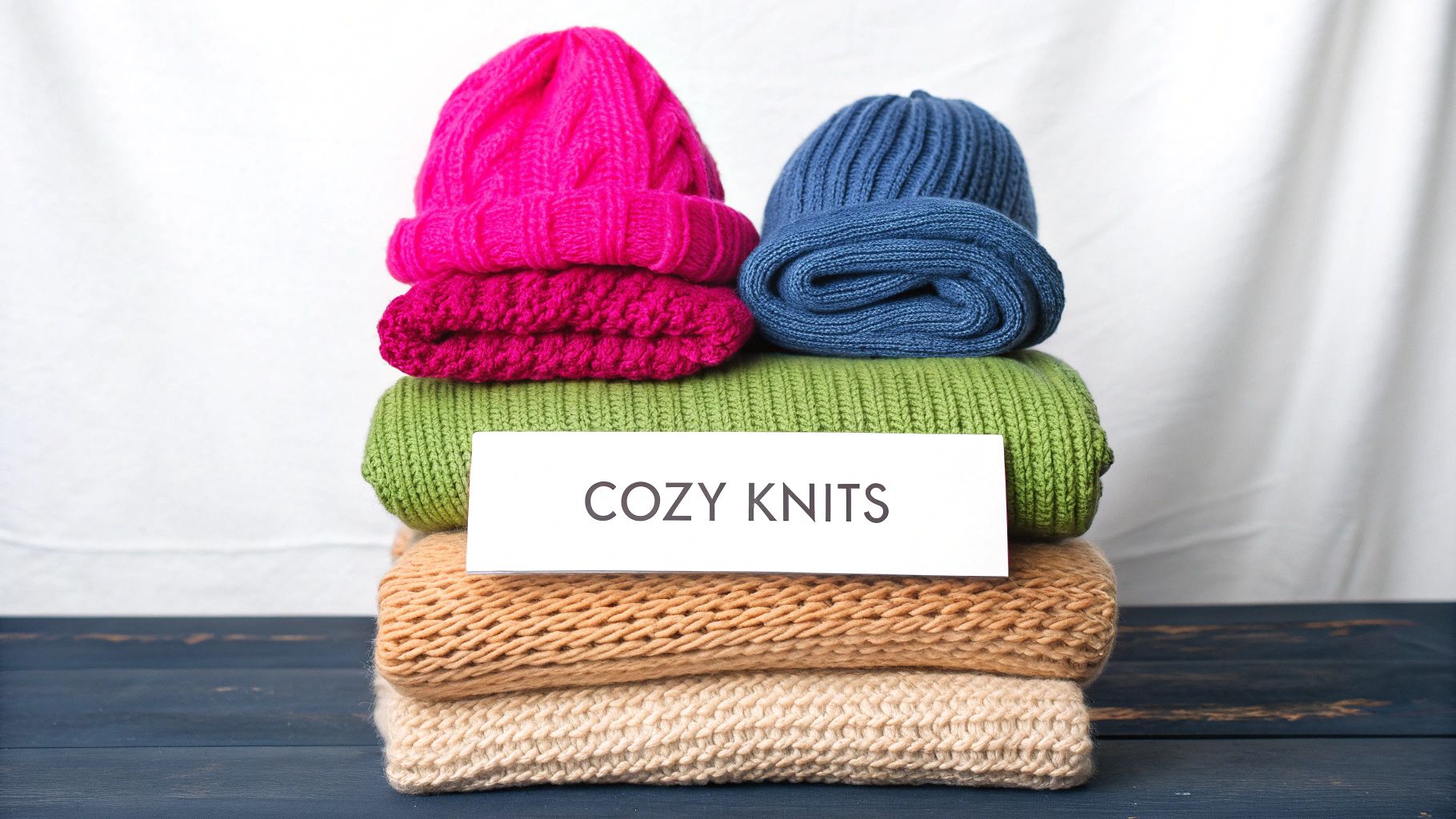
At its core, knitting involves using two needles to create interlocking loops of yarn, forming a fabric. Different stitches, needle sizes, and yarn types can produce a vast array of textures and weights, from delicate lace shawls to chunky, warm blankets. Crochet, on the other hand, uses a single hook to loop yarn directly onto the piece, allowing for sturdy fabrics, intricate patterns like granny squares, and three-dimensional shapes, particularly popular in amigurumi (crocheted stuffed toys). Both techniques transform a simple strand of yarn into a tangible, often beautiful, and functional object, showcasing the maker's skill and patience.
The reason knitted and crocheted items consistently rank high in sales lies in their unique blend of features and benefits.
- Infinite Design Possibilities and Artistic Expression: The sheer variety of patterns, stitches, colors, and yarn textures means each piece can be a unique work of art. This allows creators to cater to niche markets and offer custom designs that resonate with individual styles, making them attractive to interior designers seeking bespoke decor or individuals looking for one-of-a-kind fashion statements.
- Range from Quick Projects to Complex Heirlooms: A crafter can produce small, quickly made items like dishcloths or coasters for impulse buys, or invest time in elaborate, intricate pieces like detailed afghans or heirloom baby blankets that command higher prices and appeal to those seeking lasting value.
- Suitable for All Seasons: By varying yarn weights and fiber content (cotton for summer, wool for winter), knitted and crocheted items can be relevant year-round, from light summer shawls to cozy winter hats and scarves.
- Therapeutic and Meditative Crafting Process: While this benefits the maker, the care and mindfulness invested in creating each piece often translate into a product with a palpable sense of human touch, which is increasingly valued in a mass-produced world.
- Strong Tradition and Cultural Connection: These crafts have a rich heritage in many cultures, including strong Polish knitting traditions. This connection to tradition, combined with modern interpretations, adds to their appeal for buyers who appreciate authenticity and craftsmanship.
Pros:
- Strong Emotional Connection and Gift Appeal: Handmade items, especially those as personal as knitted or crocheted goods, are often purchased as thoughtful gifts, fostering a deep emotional connection.
- Relatively Low Startup Costs: Basic needles, hooks, and yarn are accessible, making it easier for new artisans to enter the market.
- Portability: Many knitting and crochet projects can be worked on anywhere, anytime, offering flexibility to the crafter.
- High Demand for Baby and Children's Items: Soft, handmade blankets, booties, hats, and toys are perennially popular for newborns and young children.
- Seasonal Opportunities: There's a significant surge in demand for winter wear (hats, scarves, gloves) and holiday-themed decorations (ornaments, stockings).
Cons:
- Time-Intensive Production: Creating high-quality knitted or crocheted items takes time, which can impact pricing and scalability.
- Competition from Mass-Produced Items: Cheaper, factory-made alternatives are readily available, requiring handmade sellers to emphasize uniqueness and quality.
- Yarn Costs Can Be Significant: Quality yarns, especially natural fibers like merino, cashmere, or alpaca, can be expensive, affecting profit margins.
- Size and Fit Issues with Clothing Items: Accurately sizing garments can be challenging, potentially leading to returns or dissatisfaction if not handled carefully.
- Seasonal Demand Fluctuations: While items can be made for all seasons, certain products (like winter wear) have more pronounced demand peaks.
Successful examples abound in this niche. Amigurumi artists often sell custom-designed dolls for $30-$100, leveraging unique characters and personalization. Makers of high-quality baby blankets can have waiting lists stretching for months, demonstrating the demand for specialized, handcrafted items. During the holiday season, sets of knitted or crocheted Christmas ornaments can sell hundreds of units. Furthermore, many Instagram crochet and knitting accounts have built lucrative businesses selling patterns, reaching a global audience of fellow crafters.
For those looking to sell their knitted or crocheted creations, here are some actionable tips:
- Focus on Quick-to-Make, High-Turnover Items: Consider smaller items like headbands, mug cozies, or small amigurumi alongside larger projects to ensure a steady stream of sales.
- Develop Signature Color Palettes or Styles: A recognizable aesthetic can help you stand out and attract a loyal customer base.
- Offer Custom Sizing and Personalization: This is a key differentiator from mass-produced goods and can justify higher prices.
- Create Bundles: Offer complementary items as sets, such as a hat and scarf, or a baby hat, booties, and blanket set, to increase the average order value.
- Sell Patterns in Addition to Finished Items: If you are skilled at design, selling digital patterns can be an excellent way to generate passive income and scale your business.
- Invest in High-Quality Yarns: Using luxurious materials like merino wool, silk, alpaca, or organic cotton can elevate the perceived value and appeal to discerning buyers, including those in the luxury market.
Knitted and crocheted items are an excellent choice for artisans who enjoy textile work, possess patience, and have a keen eye for detail and color. This approach is particularly effective because there's a consistent market demand for unique, handmade items, especially in the gift, baby, and home decor sectors. The inherent charm, tradition, and tactile appeal of these crafts answer the question of jakie rękodzieło najlepiej się sprzedaje by tapping into consumers' desires for authenticity, quality, and emotionally resonant products. The thriving online communities like Ravelry, influential YouTube teachers such as Bella Coco, and the appreciation for both traditional techniques and modern designs, continually fuel interest and demand. To delve deeper into planning your creative business endeavors, including those involving textiles, you might find valuable insights by Learn more about Knitted and Crocheted Items – Dzianiny i Szydełkowane Przedmioty.
4. Wooden Crafts and Furniture – Wyroby z Drewna
When considering jakie rękodzieło najlepiej się sprzedaje (what handmade crafts sell best), wooden crafts and furniture, or "Wyroby z Drewna," consistently emerge as a leading category. This isn't surprising given humanity's long-standing relationship with wood – a material that is both elemental and capable of extraordinary refinement. This category encompasses a vast array of handcrafted wooden items, from small, intricately carved decorative objects and practical kitchenware like cutting boards, to substantial, custom-designed furniture pieces. It includes everyday items reimagined with artisanal skill: shelving, unique toys, decorative signs full of character, elegant jewelry boxes, and statement furniture often created using time-honored woodworking techniques.
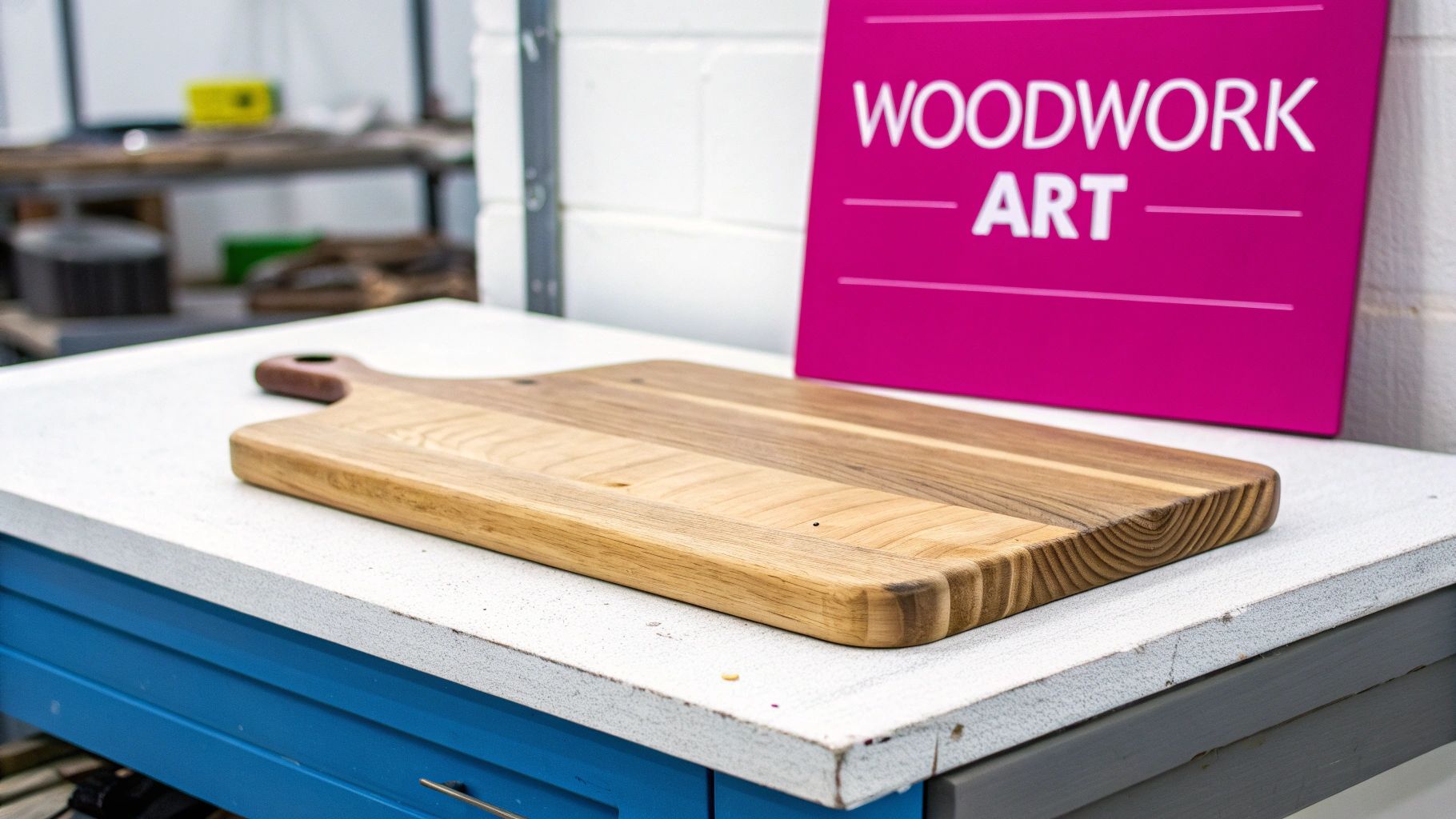
The core of this craft lies in transforming raw wood into objects of beauty and utility. Artisans may employ a variety of methods, including carving, turning on a lathe, joinery, inlay, and specialized finishing processes. The "how it works" is a testament to skill and patience: selecting the right wood for its grain, color, and properties; shaping it with precision tools; and finishing it to protect and enhance its natural allure. The result is an item that carries the imprint of its maker and the unique story of the wood itself.
Wooden crafts deserve a prominent place in any discussion about top-selling handmade goods due to their inherent appeal and versatility. The features that drive their desirability are numerous:
- Natural Material with Unique Grain Patterns: Each piece of wood is inherently unique, with its own distinct grain, knots, and coloration. This means every handcrafted wooden item is a one-of-a-kind creation, appealing to those who seek individuality and a connection to nature. For art collectors and interior designers, this organic uniqueness is a significant draw, offering texture, warmth, and character that mass-produced items cannot replicate.
- Durable and Long-Lasting Products: Well-crafted wooden items are built to last, often becoming heirloom pieces passed down through generations. This durability signifies quality and value, attracting buyers looking for items with permanence rather than disposability.
- Can Be Personalized with Engraving or Burning: The ability to customize wooden items through engraving, pyrography (wood burning), or bespoke design details adds immense value. This personalization transforms an object into a meaningful memento, a personalized gift, or a branded corporate item, resonating strongly with emotion-driven buyers and those seeking unique artistic expressions.
- Range from Rustic to Modern Aesthetic Styles: Woodworking is not stylistically monolithic. Artisans can create pieces that fit a wide spectrum of aesthetics – from the rugged charm of rustic farmhouse decor to the sleek, clean lines of modern minimalism. This adaptability makes wooden crafts suitable for diverse interior design projects and personal tastes.
- Sustainable and Eco-Friendly Appeal: With growing environmental consciousness, sustainably sourced wood offers an eco-friendly alternative to synthetic materials. This appeals to a broad base of consumers, particularly those in luxury markets and younger demographics who prioritize ethical and sustainable purchasing.
The pros of venturing into or investing in wooden crafts are compelling:
- High Perceived Value and Quality: The craftsmanship, natural material, and durability contribute to a high perceived value, allowing for premium pricing.
- Excellent Profit Margins on Custom Pieces: Bespoke furniture or highly personalized decorative items can command significant prices, offering excellent profit margins for skilled artisans.
- Strong Demand for Personalized Items: As mentioned, the desire for unique, personalized goods is a strong market driver.
- Appeals to Eco-Conscious Consumers: The sustainable aspect broadens market reach.
- Skills Can Scale from Hobby to Full Business: Woodworking skills can be developed over time, allowing individuals to transition from a passionate hobby to a professional artisan business.
However, there are cons to consider, particularly for makers:
- Requires Significant Tool Investment: Quality woodworking tools can be expensive.
- Need for Workshop Space: Woodworking often requires a dedicated space for safety and efficiency.
- Material Costs for Quality Wood: Sourcing high-quality, interesting, or exotic woods can be costly.
- Time-Intensive Production Process: Crafting by hand is inherently slower than mass production, which, while contributing to value, also limits output.
- Shipping Challenges for Large Items: Furniture or large decorative pieces can be difficult and expensive to ship.
Examples of successful implementation abound. Custom cutting board makers, focusing on beautiful hardwoods and unique designs, can earn substantial monthly incomes (e.g., $500-$1000 or more) by marketing their wares as functional art for the kitchen. Personalized wooden signs, popular for home decor, weddings, and businesses, often sell for 50-150 PLN each, with intricate designs fetching more. Handmade wooden toy makers have found international markets by emphasizing safety, natural materials, and imaginative designs, appealing to parents seeking alternatives to plastic. At the higher end, artisans creating custom furniture pieces, such as unique dining tables, handcrafted chairs, or bespoke cabinetry, can sell these items for thousands of PLN (or dollars/euros), often working directly with interior designers or private collectors.
For those looking to succeed in this field, several actionable tips are crucial:
- Start with Smaller Items: Begin with projects like cutting boards, small boxes, or simple toys to hone skills, build a customer base, and generate initial revenue before tackling more complex pieces.
- Invest in Quality Wood and Finishing Materials: The quality of the raw materials directly impacts the final product's appeal and durability. Don't skimp here.
- Offer Engraving and Personalization Services: This is a key differentiator and value-adder. Invest in a small laser engraver or learn pyrography.
- Focus on Functional Items with Aesthetic Appeal: Items that are both beautiful and useful, such as artisanal kitchenware, elegant shelving, or unique storage solutions, have broader market appeal.
- Build a Portfolio with High-Quality Photos: In the age of online marketplaces and social media, professional-quality photographs are non-negotiable for showcasing the detail, texture, and artistry of your work. This is vital for attracting discerning clients, galleries, and media attention.
- Develop a Unique Style and Narrative: What makes your work special? Is it a particular technique, a focus on local woods, or a unique design aesthetic? Share the story behind your craft to create an emotional connection with buyers.
When and why to choose wooden crafts? For artisans, this path is ideal if you have a passion for woodworking, an eye for detail, and the patience to develop intricate skills. It's a field where dedication to quality can lead to a reputation for excellence. For buyers – whether contemporary art collectors, interior designers, or individuals seeking meaningful objects – wooden crafts offer a connection to tradition, nature, and artistry. They are an investment in pieces that bring warmth, character, and timeless style to a space. This is particularly relevant for luxury lifestyle brands and media looking to feature artisans who embody craftsmanship and sustainable practices.
The popularity of wooden crafts is continually reinforced by figures like Steve Ramsey (Woodworking for Mere Mortals), who demystifies woodworking for a broad audience, the enduring respect for Polish woodworking traditions, and the vibrant community of Instagram woodworkers showcasing innovative techniques and stunning creations daily. These platforms not only inspire makers but also educate consumers, elevating the appreciation for handcrafted wooden goods and solidifying their position as a top-selling category in the world of rękodzieło.
5. Candles and Wax Products – Świece i Produkty Woskowe
When exploring the landscape of handcrafted goods and wondering jakie rękodzieło najlepiej się sprzedaje (what handicrafts sell best), artisanal candles and wax products consistently illuminate the path to success. Far more than mere sources of light, these items represent a fusion of artistry, ambiance, and entrepreneurial opportunity. This category encompasses a delightful array of products, from scented candles that transform a room's atmosphere to decorative pieces that act as miniature sculptures, and innovative wax melts that offer a flameless fragrance experience. Artisans work with diverse waxes like eco-conscious soy, luxurious beeswax, and traditional paraffin, often infusing them with premium, complex fragrance blends and unique designs that elevate them far beyond mass-produced alternatives. Specialty items such as therapeutic massage candles or enchanting floating candles further showcase the versatility and creative potential within this craft.
The enduring appeal and robust market for candles and wax products firmly secure their place on any list of best-selling handicrafts. They tap into a fundamental human desire for comfort, beauty, and sensory pleasure. Whether sought for personal indulgence, as thoughtful gifts, or as integral components of interior design, artisanal candles offer a unique value proposition that resonates deeply with a broad audience, including discerning contemporary art collectors, private buyers seeking meaningful objects, and high-end interior designers.
Features and Benefits: The Allure of Artisan Wax
The charm of handcrafted candles and wax products lies in their rich features and the benefits they offer:
- Wide Variety of Wax Types and Fragrance Options: Artisans can choose from soy wax (known for its clean burn and eco-friendliness), beeswax (prized for its natural, subtly sweet aroma and air-purifying qualities), or paraffin (excellent for strong scent throw). This diversity allows makers to cater to specific consumer preferences, including vegan or all-natural choices. The olfactory journey is further enhanced by a vast spectrum of fragrance oils, from single botanical notes to complex, perfumer-grade blends, allowing for true scent artistry.
- Customizable Colors, Shapes, and Containers: This is where the "art" in artisanal truly shines. Candles can be dyed in an infinite palette of colors, poured into unique molds, and housed in an array of containers – from minimalist glass jars and rustic tins to luxurious ceramic vessels. This customization makes them highly sought after by interior designers looking for specific aesthetic complements and by individuals seeking personalized gifts or decor. Many containers are also designed to be reusable, adding an element of sustainability.
- Seasonal and Themed Design Possibilities: The candle market thrives on novelty and seasonality. Makers can create collections themed around holidays (Christmas spice, Easter blooms), seasons (autumnal pumpkin, summer citrus), or even abstract concepts and moods. This keeps offerings fresh and encourages repeat purchases.
- Therapeutic Aromatherapy Benefits: Scented candles are widely used for their aromatherapy benefits, helping to reduce stress, improve mood, enhance focus, or promote relaxation. This aspect appeals particularly to emotion-driven buyers and those interested in wellness and self-care, transforming a simple candle into an experiential product.
- Eco-friendly Options with Natural Waxes: The growing consumer consciousness towards sustainability has boosted the popularity of candles made from natural, renewable waxes like soy and beeswax, often paired with cotton or wooden wicks and packaged in recyclable materials. This resonates with environmentally aware buyers and adds a premium, responsible edge to the products.
Pros: Why Candle Making Shines Bright for Artisans
For those considering which handicraft to pursue, candle making offers several compelling advantages:
- Consistent Year-Round Demand: While there are seasonal peaks (especially during Q4 holidays), candles are purchased throughout the year for personal use, home fragrance, and gifts.
- High Profit Margins (300-500%): The raw materials for candles (wax, wicks, fragrance oils, containers) can be sourced relatively affordably, especially in bulk. The perceived value of a well-crafted, beautifully scented, and attractively packaged artisanal candle allows for significant markups. Premium brands charging 80-150 PLN per candle, as seen in the Polish market, attest to this.
- Relatively Simple Production Process: The basic steps of candle making are straightforward and can be learned quickly. While mastery involves nuances in wax blending, scent loading, and pouring techniques, the initial learning curve is not excessively steep.
- Strong Gift Market Appeal: Candles are a universally appreciated gift for almost any occasion – birthdays, housewarmings, thank-yous, or "just because." Businesses specializing in wedding favor candles, for example, often achieve high-profit margins due to bulk orders and customization.
- Low Barrier to Entry for Beginners: Initial startup costs for small-scale production can be relatively low, making it an accessible craft for those looking to start a side business or a new creative hobby with income potential.
Cons: Potential Pitfalls to Navigate
Despite its attractions, aspiring candle makers should be aware of potential challenges:
- Safety Concerns with Hot Wax and Fire: Working with molten wax requires careful handling to prevent burns. Finished products also carry inherent fire risks, necessitating clear safety warnings and instructions for users.
- Fragrance Oil Costs Can Be Significant: High-quality, complex fragrance oils are a major cost component and directly impact the final product's appeal and profit margin. Sourcing reliable suppliers and managing these costs is crucial.
- Competition from Mass Market Brands: The candle market is crowded, with large corporations offering a wide range of cheap options. Artisans must differentiate through unique scents, superior quality, compelling branding, and a personal touch.
- Seasonal Fragrance Preferences: Consumer scent preferences often change with the seasons, requiring makers to manage inventory effectively and anticipate trends to avoid unsold stock.
- Shipping Restrictions for Some Carriers: Due to their meltable nature and sometimes flammable components, candles can face shipping restrictions or require special packaging, especially in warmer climates or with certain carriers.
Successful Implementation: Lighting Up the Market
The success stories in the artisanal candle world are inspiring. Soy candle makers regularly selling 200+ candles monthly demonstrate consistent demand. Wedding favor candle businesses thrive on customization and bulk orders, achieving excellent profit margins. Seasonal candle collections often sell out quickly, highlighting the power of limited editions and trend-responsive offerings. Furthermore, the emergence of premium Polish artisan candle brands commanding prices between 80-150 PLN per candle shows that consumers are willing to invest in high-quality, unique, and locally made products.
Actionable Tips for Aspiring Candle Artisans
To stand out and succeed in this vibrant market, consider these tips:
- Focus on Signature Scent Blends: Develop unique and memorable fragrance combinations that become your brand's hallmark. This appeals to collectors seeking distinct creations and helps build customer loyalty.
- Invest in Attractive, Reusable Containers: Packaging is paramount. Choose vessels that enhance the candle's aesthetic appeal and can be repurposed by the customer, adding value and an eco-conscious touch. This is particularly important for attracting interior designers and luxury buyers.
- Create Seasonal and Limited Edition Collections: Generate excitement and urgency by launching collections tied to seasons, holidays, or special themes. These are often highly anticipated and can drive significant sales.
- Offer Candle-Making Workshops: Share your craft and generate an additional revenue stream by hosting workshops. This builds community and brand awareness.
- Partner with Local Businesses for Custom Corporate Gifts: Explore B2B opportunities by offering bespoke candles for corporate gifting, events, or co-branded merchandise with boutiques and lifestyle brands.
When and Why to Choose Candle Making
Embarking on candle making is an excellent choice if you're seeking a creative outlet with genuine business potential, wish to tap into the thriving home decor and wellness markets, or are looking for a craft that can scale from a hobby to a full-time enterprise. The "why" is compelling: it offers immense creative freedom in scent development and design, the potential for strong branding that tells a unique story, and the ability to create products that bring joy, comfort, and a touch of luxury into people's lives. For those researching jakie rękodzieło najlepiej się sprzedaje with a desire to blend artistry with commercial viability, candles offer a remarkably rewarding path.
The popularity of candle making as a viable artisan business has been, in part, inspired by the success of giants like Bath & Body Works and Yankee Candle, who cultivated a mainstream appreciation for scented candles. This widespread acceptance has, in turn, created fertile ground for indie makers and Polish artisan candle brands who offer more unique, handcrafted alternatives, gaining well-deserved recognition for their quality and creativity. Ultimately, candles and wax products represent a category where passion, craftsmanship, and smart business practices can lead to a flourishing and fulfilling venture.
6. Handmade Cards and Stationery – Kartki i Artykuły Papiernicze
In the diverse landscape of handmade goods, particularly when considering jakie rękodzieło najlepiej się sprzedaje (what handmade crafts sell best), handmade cards and stationery – Kartki i Artykuły Papiernicze – stand out as a category with enduring appeal and significant commercial potential. This isn't merely about crafting; it's about creating tangible pieces of art that convey emotion, celebrate milestones, and offer a personal touch in an increasingly digital world. For the discerning buyer, from private collectors to luxury brand collaborators, high-quality handmade stationery offers a unique blend of artistry, personalization, and functional elegance.
What is Handmade Stationery and How Does It Work?
Handmade cards and stationery encompass a wide array of paper-based products meticulously crafted by artisans. This includes custom greeting cards for all occasions, bespoke wedding invitation suites, elegant notebooks, personalized journals, unique art prints, and other specialty paper crafts. The creation process often involves a rich tapestry of techniques, such as traditional calligraphy, intricate stamping, sophisticated embossing and debossing, delicate watercolor painting, and innovative mixed-media applications. Each piece can be a miniature work of art, reflecting the creator's unique style and the client's specific desires. The "handmade" aspect ensures that no two items are exactly alike, offering an exclusivity that mass-produced items cannot replicate. This appeals greatly to individuals and businesses seeking to make a distinct impression.
The process usually begins with a concept, either from the artist's own inspiration or a client's brief. Material selection is key, with artists choosing high-quality papers, inks, and embellishments. For custom orders, especially in the lucrative wedding or corporate markets, collaboration with the client is paramount to ensure the final product aligns perfectly with their vision.
Why This Craft Sells: Features and Benefits Driving Demand
The consistent demand for handmade stationery can be attributed to several key features:
- Highly Customizable and Personalized Options: In a world saturated with generic products, the ability to tailor a card, invitation, or stationery set to an individual's taste, a specific event's theme, or a company's branding is a powerful selling point. This bespoke nature resonates deeply with consumers looking for meaningful connections and unique expressions.
- Diverse Techniques and Artistic Styles: From minimalist modern designs to lavish, vintage-inspired creations, the artistic scope is vast. This allows creators to carve out niche markets and appeals to a broad spectrum of aesthetic preferences, including those of art collectors and interior designers looking for unique paper art or prints.
- Relatively Quick Production Time for Many Items: While complex designs can be time-consuming, many popular items like greeting cards or small stationery sets can be produced relatively quickly, allowing for good turnover.
- Lightweight and Easy to Ship: This logistical advantage opens up national and international markets for creators, particularly through online platforms, making it an attractive option for artists seeking a global reach.
- Appeals to Both Personal and Business Markets: The applications are manifold. Individuals seek cards for birthdays, anniversaries, and holidays, or personalized notes. Businesses require custom stationery for branding, corporate gifting, and event invitations, often leading to larger, recurring orders.
These features explain why, when asking jakie rękodzieło najlepiej się sprzedaje, stationery often comes up. It taps into the fundamental human desire for connection and personal expression, making it a resilient market.
Examples of Successful Implementation:
The success stories in this field are varied and inspiring:
- High-End Wedding Invitation Designers: Artisans specializing in bespoke wedding stationery can command significant fees, often between 500-2000 PLN (or its equivalent in other currencies) per set for luxury suites, catering to clients who value exquisite craftsmanship and unique designs for their special day. This appeals to luxury lifestyle connoisseurs and event planners.
- Thriving Etsy Card Makers: Numerous independent artists have built successful businesses on platforms like Etsy, with some achieving over 5,000 sales by offering unique, handcrafted cards that stand out from mass-market alternatives.
- Custom Business Stationery Providers: Creators who develop relationships with corporate clients often secure repeat business for items like branded thank-you notes, holiday cards, and bespoke company stationery, demonstrating the B2B potential.
- Art Print Creators: Many stationery artists expand their offerings to include art prints of their designs, sometimes as limited editions on fine art paper. These prints, available in both digital and physical formats, can attract art collectors and interior designers seeking accessible art.
Pros for the Creator:
- Low Material Costs and High Profit Margins: Paper, inks, and basic tools can be relatively inexpensive, allowing for potentially high profit margins, especially for intricate or highly customized designs.
- Can Work from Home with Minimal Space: Unlike some crafts requiring extensive workshops, stationery making can often be done from a home studio or even a dedicated corner, offering flexibility.
- Strong Demand for Personalized Items: The desire for personalization is a growing trend, ensuring a steady market.
- Multiple Revenue Streams: Beyond individual sales, creators can explore workshops, digital templates, licensing designs, or collaborating with other businesses.
- Digital Integration Possibilities: Offering digital versions of invitations, printables, or custom design services complements physical product sales and expands market reach.
Cons and Challenges:
- Highly Competitive Market: The accessibility of the craft means the market can be crowded. Differentiation through a unique style, exceptional quality, or niche focus is crucial.
- Seasonal Demand Peaks: Sales often peak around major holidays (Christmas, Valentine's Day, Mother's Day) and during wedding season, requiring careful business planning.
- Time-Intensive for Complex Designs: Elaborate, multi-layered, or hand-painted designs can be very time-consuming, which must be reflected in pricing.
- Need for Constant Design Innovation: Trends in color, style, and typography evolve, requiring artists to stay creative and continually refresh their offerings.
- Digital Alternatives Reducing Some Demand: While e-cards and digital invitations are prevalent, many still value the tactile experience and perceived thoughtfulness of physical, handmade stationery, particularly for significant occasions. The challenge lies in emphasizing this unique value.
Actionable Tips for Success:
For aspiring artists, designers, or even investors looking into this creative field, consider these strategies:
- Develop a Signature Style and Aesthetic: Cultivate a unique artistic voice that distinguishes your work. This is what will attract discerning clients and collectors.
- Offer Both Digital and Physical Product Options: Cater to diverse customer needs and preferences by providing downloadable designs alongside tangible products.
- Focus on Special Occasions and Celebrations: These are high-emotion, high-spend events where bespoke stationery is particularly valued (e.g., weddings, milestone anniversaries, bespoke party invitations).
- Create Template Systems for Efficiency: For some product lines, developing semi-customizable templates can streamline production while still offering a degree of personalization.
- Build Relationships with Event Planners and Corporate Clients: Networking with wedding planners, event coordinators, and businesses can lead to high-value commissions and repeat orders. For art-focused creators, connecting with galleries or interior designers can open doors for print sales or bespoke paper art commissions.
The popularity of handmade stationery has been further amplified by communities like the Stampin' Up! demonstrators, influential Instagram calligraphy and stationery artists, and various Polish paper craft communities, all showcasing the beauty and versatility of this art form.
Ultimately, handmade cards and stationery secure their place on any list discussing jakie rękodzieło najlepiej się sprzedaje due to their remarkable fusion of artistry, personal connection, and commercial adaptability. For creators with a passion for paper and design, and for buyers seeking something truly special, this craft offers a wealth of opportunity and enduring charm.
7. Handmade Bags and Leather Goods – Torby i Wyroby Skórzane
When exploring the landscape of "jakie rękodzieło najlepiej się sprzedaje" (what handmade crafts sell best), handmade bags and leather goods consistently emerge as a strong contender. This is due to their enduring appeal, the tangible value they offer, and the consistent consumer demand for quality and personalization. This category encompasses a wide array of meticulously crafted items, from custom bags, sophisticated wallets, and durable belts to unique leather accessories like camera straps or bespoke dog collars. Artisans in this field employ traditional leatherworking techniques, rich in history and precision, or utilize skilled fabric sewing to create pieces that are both beautiful and built to last. The allure lies in the blend of functionality, enduring style, and the personal touch of a handcrafted item, making these products highly sought after by those looking to invest in pieces that transcend fleeting trends.
The enduring popularity and market strength of handmade bags and leather goods can be attributed to several key features and benefits that resonate deeply with discerning consumers, including contemporary art collectors and luxury lifestyle enthusiasts. Firstly, the use of durable materials is paramount. Whether it's high-quality, full-grain leather that tells a story with every use, or robust, carefully selected fabrics, these items promise long-lasting quality. This is a significant draw for buyers looking for investment pieces rather than disposable fashion. Secondly, these are inherently highly functional and practical products. From spacious tote bags designed for daily essentials and secure crossbody bags perfect for travel, to protective laptop cases for professionals and meticulously organized wallets, their utility is undeniable. This practicality ensures they are not just admired as objects of craft but are used, integrated into daily life, and valued for their service.
Furthermore, the scope for customization is a major selling point and a significant differentiator from mass-market goods. Clients can often choose sizes, colors, types of leather or fabric, and even specific hardware (buckles, clasps, zippers), resulting in a truly unique item tailored to their individual needs and aesthetic preferences. This level of personalization elevates a functional item to a personal statement. Many handmade pieces also boast a professional appearance, making them entirely suitable for business environments and appealing to a broader, sophisticated clientele. A distinctive feature, particularly with leather, is its remarkable ability to develop character and patina over time. Each scuff, mark, and the way the leather softens and molds to its use tells a story, making the item more personal and cherished as it ages – a quality highly prized by connoisseurs of fine craftsmanship and those who appreciate items that grow with them.
From an artisan's perspective, venturing into handmade bags and leather goods offers significant rewards and a viable business path. The craft commands a high perceived value, allowing for premium pricing. This is a direct reflection of the skill, dedicated time, and quality materials invested in each unique piece. There's a strong and growing demand for quality, handmade alternatives as consumers increasingly seek authenticity, durability, and a connection to the maker. This translates into excellent profit margins, especially on leather goods, making it a financially attractive craft.
Satisfied customers often become repeat customers and powerful advocates through word-of-mouth marketing, drawn by the superior quality, unique nature of the products, and the personal story behind them. Beyond selling finished goods, the intricate skills acquired in leatherworking are also applicable to repair services, opening up an additional revenue stream and further solidifying the artisan's reputation for expertise and sustainability. The journey of mastering this craft, while demanding, can be incredibly fulfilling. For those juggling the passion for craft with the demands of entrepreneurship, learning from others' experiences can be invaluable; for example, some artisans generously share their journeys, offering a glimpse into the dedication required. You can Learn more about Handmade Bags and Leather Goods – Torby i Wyroby Skórzane and how one individual navigates this path.
The market for handmade bags and leather goods is vibrant, with numerous artisans carving out successful niches. For instance, custom leather bag makers often command prices ranging from 300 to 800 PLN (or significantly more for complex designs or exotic leathers), reflecting the bespoke nature and superior quality of their work. On a smaller, yet equally impactful scale, minimalist wallet designers have found international success by focusing on sleek, highly functional designs that appeal to a global audience valuing refined simplicity. Even with fabric-based items, success is evident; fabric tote bag creators focusing on unique, artist-designed prints and durable construction can achieve consistent sales, sometimes selling 50 or more bags monthly. Beyond individual consumers, there's also a robust market for corporate gifts, with businesses placing bulk orders for high-quality leather goods like branded portfolios, cardholders, or keychains, recognizing the lasting impression such thoughtful, handcrafted items make.
For those inspired to delve into this rewarding craft, a strategic approach can pave the way for success:
- Start with smaller items: Begin your journey with projects like wallets, cardholders, or simple key fobs. These require less material, allow you to meticulously hone fundamental skills like cutting, stitching, and edge finishing, and provide quicker, encouraging wins.
- Invest in quality leather and hardware: The final product is only as good as its components. Using superior materials not only enhances the aesthetic appeal and durability but also ethically justifies premium pricing and attracts discerning customers.
- Offer monogramming and personalization services: Adding initials, names, meaningful dates, or custom messages significantly increases the perceived value and emotional connection, making items perfect for unique gifts or personal statements.
- Focus on timeless designs over fleeting trends: Classic shapes and styles possess an enduring appeal and are less likely to become dated, ensuring a longer market life for your creations and establishing a reputation for lasting style.
- Document the creation process for marketing: Share behind-the-scenes glimpses of your workshop, the story of your materials sourcing, and the intricate craftsmanship involved. This storytelling resonates deeply with buyers seeking authenticity and connection, transforming a product into an experience and a piece of art.
While rewarding, pursuing handmade bags and leather goods is not without its challenges. Aspiring artisans should be aware of the potential high initial investment in quality leather and specialized tools. Good hides can be expensive, and a comprehensive set of cutting tools, stitching awls, edgers, mallets, and finishing supplies represents a significant upfront cost. There's also a steep learning curve for achieving consistent, high-quality craftsmanship. Mastering techniques such as precise hand-stitching, immaculate edge finishing, and accurate pattern making takes considerable time, patience, and dedicated practice.
The production process is often time-intensive, with each piece requiring many hours, sometimes days, of focused, meticulous work. This can limit output and scalability, especially for solo artisans. Depending on the size of the items you plan to create, such as large travel bags or structured briefcases, workspace requirements can be a limiting factor, needing dedicated, well-organized space. Finally, there's undeniable competition from established leather brands and other skilled artisans. Differentiating your work through truly unique designs, exceptional, demonstrable quality, or a compelling, authentic brand story is absolutely crucial for standing out.
The world of handmade leather goods is enriched by tradition and supportive communities. Platforms like the Tandy Leather craftspeople community offer invaluable resources, tutorials, and a network of fellow artisans for support and knowledge exchange. Instagram leather workers showcasing their intricate techniques and stunning finished products provide endless inspiration and have built significant followings by passionately sharing their craft. Moreover, drawing from rich cultural heritages, such as Polish leather crafting traditions, can add a unique cultural depth and compelling narrative to your work, appealing to those who value heritage, story, and authenticity in their possessions.
Ultimately, when considering "jakie rękodzieło najlepiej się sprzedaje," handmade bags and leather goods stand out for their potent blend of artistry, enduring utility, and robust market demand, firmly earning their place on any such list. They appeal to a wide and varied range of buyers, from emotion-driven individuals seeking meaningful, lasting possessions and tangible connections to the maker, to astute collectors valuing craftsmanship and businesses looking for distinctive quality. For the artisan, it offers a path to create tangible value, build a reputable brand, and engage in a craft that is both profoundly challenging and deeply rewarding. The journey from raw material to a beautifully finished, functional piece of art is a testament to the enduring allure and significance of skilled handwork in our modern, digitally-driven world.
Najlepiej Sprzedające Się Rękodzieło – Porównanie 7 Produktów
| Product Category | Implementation Complexity 🔄 | Resource Requirements ⚡ | Expected Outcomes 📊 | Ideal Use Cases 💡 | Key Advantages ⭐ |
|---|---|---|---|---|---|
| Handmade Jewelry | Medium – requires varied skills from basic to advanced wirework and metalworking | Moderate – materials range from budget to luxury, small workspace needed | High profit margins (300-500%), steady demand with seasonal peaks | Personalized gifts, fashion accessories, online & craft fairs | Customizable designs, high demand, lightweight, strong online presence |
| Handmade Soaps and Cosmetics | Medium-High – knowledge of chemistry and safety needed | Moderate to High – quality organic ingredients and equipment required | Good profit margins (200-400%), growing health-conscious market | Natural skincare fans, gift market, local sales | Natural ingredients focus, therapeutic benefits, eco-friendly packaging |
| Knitted and Crocheted Items | Medium – time-intensive with pattern variability | Low to Moderate – yarn and tools, flexible workspace | Moderate profit margins, strong emotional/gift appeal | Seasonal wear, baby/kids items, home décor | Infinite designs, therapeutic crafting, high seasonal demand |
| Wooden Crafts and Furniture | High – requires woodworking skills and tools | High – investment in tools, quality wood, workshop space | High perceived value and profit on custom items | Personalized home décor, custom furniture, eco-conscious buyers | Durable, unique grain patterns, scalable skills, personalized options |
| Candles and Wax Products | Low to Medium – relatively simple process | Low – waxes, fragrances, containers needed | High profit margins (300-500%), year-round demand | Gifts, corporate events, seasonal decorations | Easy entry, aromatherapy benefits, customizable scents and designs |
| Handmade Cards and Stationery | Low to Medium – artistic skills plus design innovation | Low – minimal materials, home-based workspace | High profit margins, varied revenue streams | Weddings, celebrations, corporate gifts | Highly customizable, quick production, digital integration potential |
| Handmade Bags and Leather Goods | High – skilled leatherworking or sewing required | High – quality leather, tools, workspace | High profit margins, premium pricing, repeat customers | Durable bags, wallets, business use, gifts | Durable, functional, develops character, professional appearance |
Finding Your Niche in the Handmade World
This article has explored a variety of popular categories, giving you a clearer picture of jakie rękodzieło najlepiej się sprzedaje – from intricate handmade jewelry and natural soaps to cozy knitted items, unique wooden crafts, aromatic candles, charming stationery, and stylish leather bags. However, understanding market trends for jakie rękodzieło najlepiej się sprzedaje is just the beginning. True success in the vibrant handmade marketplace often blossoms from discovering your unique voice and carving out your own special niche.
The most crucial takeaways are the enduring importance of quality craftsmanship, genuine passion poured into every creation, and strategic, thoughtful marketing. It’s this potent combination that transforms a skill into a sought-after product. Whether you aim to create accessible everyday luxuries or, like some artists, produce collector-grade pieces that offer profound meaning and presence, these principles remain constant. Mastering them allows your work to not only be seen but also to resonate deeply with your ideal audience, including discerning collectors and emotion-driven buyers.
So, what are your next steps?
- Reflect and Research: Consider which of the discussed categories align with your skills and ignite your passion. Dive deeper into current trends and identify unmet needs within those areas.
- Define Your Uniqueness: What makes your approach special? Is it your materials, your story, your aesthetic, or the specific problem you solve for your customer?
- Prioritize Quality: Invest in the best materials you can and hone your craft to ensure every piece meets a high standard.
- Connect and Communicate: Develop a compelling brand story and share it effectively. Learn how to reach buyers who will appreciate the value you offer.
By focusing on these elements, you’re not just learning jakie rękodzieło najlepiej się sprzedaje; you’re learning how to create items that people cherish, connect with, and are eager to invest in. The handmade world thrives on authenticity and unique perspectives. Use these insights as a springboard, adapt them to your unique talents, and confidently start crafting products that will not only sell but also bring joy and meaning to others in 2025 and beyond. Your individual creativity is your greatest asset—embrace it!
For a powerful example of how unique vision and masterful technique translate into high-value, handmade creations that captivate collectors, explore the compelling mixed media abstract paintings of Wiktoria Florek Mixed Media Abstract Painter. Her work exemplifies how the principles of quality, passion, and a distinct niche—central to understanding jakie rękodzieło najlepiej się sprzedaje at every level—culminate in art that offers profound meaning and lasting presence.