
Why Smart Collectors Are Pivoting To Female Abstract Artists
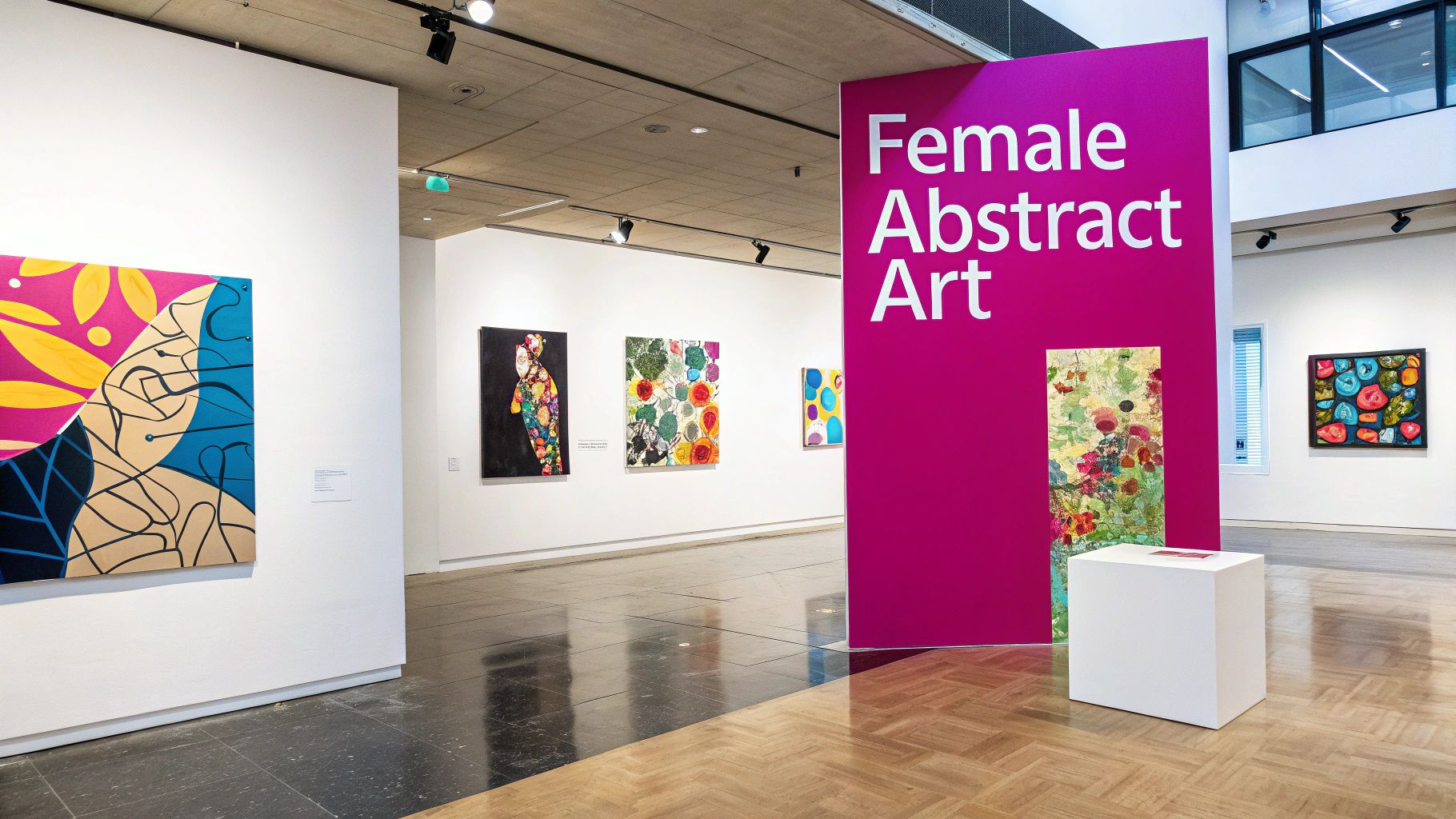
The art market has historically been dominated by male artists. However, a significant shift is occurring. Savvy collectors are increasingly drawn to the unique perspectives and untapped potential of female abstract artists. This change isn't just a passing trend; it signals a fundamental reassessment of artistic value and investment opportunities. This means that focusing on female abstract artists isn't simply about ethical collecting; it's a smart investment strategy.
The Rise of Female Abstract Artists in the Art Market
For decades, the contributions of female artists were often disregarded or undervalued. But this is changing. Several factors are driving this shift, including increasing recognition from institutions, evolving generational tastes, and a growing awareness of past imbalances. This growing recognition is visible in auction results and market activity. You might find this article helpful: How to understand abstract art.
In 2025, for instance, Marlene Dumas achieved a record-breaking auction price for a female artist, surpassing the previous record held by Jenny Saville. Other artists like Julie Mehretu, Amy Sherald, Njideka Akunyili Crosby, and Cecily Brown have also seen their prices soar at major auction houses. This trend reflects a broader movement towards inclusivity and a re-examination of historically overlooked artistic talent. More detailed market statistics can be found here. For collectors, this surge in interest presents exciting new prospects.
Beyond Aesthetics: Investing in Artistic Vision
The interest in female abstract artists goes beyond aesthetics. These artists bring fresh viewpoints, innovative techniques, and a distinctive visual language that resonates with modern audiences. Their work frequently challenges established artistic norms, pushing the boundaries of abstract expression. This bold experimentation with form and concept adds significant cultural and financial value to any art collection.
The Financial Upside of Investing in Undervalued Talent
One of the most compelling arguments for investing in female abstract artists is the potential for significant financial returns. Because these artists have historically been undervalued, their work often provides accessible entry points for collectors. As their recognition increases, so does the value of their art. This presents an opportunity for substantial appreciation, making it a wise investment for those who can identify emerging talent. It's akin to investing in undervalued stocks – recognizing potential early on can yield substantial gains.
Diversification and Long-Term Growth
Investing in female abstract art also offers valuable diversification benefits for any art portfolio. By expanding your collection beyond established names, you can mitigate risk and boost long-term growth potential. Moreover, supporting female artists contributes to a more equitable and representative art market, fostering a sustainable environment for creativity and innovation. The combination of financial gain and cultural impact makes this a particularly attractive investment strategy. The art market is constantly evolving. By focusing on female abstract artists, collectors can position themselves at the forefront of this exciting change, reaping both financial and cultural rewards.
Reading The Market: Where The Real Opportunities Hide
The art market, with its publicized record-breaking sales, can sometimes overshadow promising investment opportunities. While headlines may focus on the top performers, savvy collectors realize that the best prospects for investing in female abstract artists often require a deeper look. This involves understanding the complexities of the market, identifying developing trends, and positioning oneself strategically for growth. It's about separating the market buzz from truly sustainable artist recognition.
Navigating the Complexities of the Art Market
The art world presents specific challenges, especially for female artists. For example, although representation of female artists in affluent collections has improved, achieving true market equality remains a challenge. By 2025, the proportion of works by women in high-net-worth collectors' holdings reached a seven-year high of 44%. However, the overall market share for art created by women remains lower, at approximately 30% of galleries’ estimated £36 billion in sales. Moreover, public auction sales of art by women saw a decrease in 2024. This discrepancy highlights the need for well-informed decisions when investing in female abstract artists. Learn more about this disparity here.
Identifying Genuine Market Shifts
Understanding the fluctuations of market trends is essential. It's important to distinguish between a temporary spike in interest and a lasting shift in demand. Timing your entry into the market requires careful observation, analysis, and a combination of patience and strategy. This might involve monitoring auction results, evaluating gallery affiliations, and understanding how critics receive the artist's work. Doing so can help identify artists with the potential for sustained career growth.
Unveiling Hidden Opportunities
Experienced collectors frequently uncover promising opportunities in the area between established and emerging artists. This "middle ground" offers significant growth potential as artists gain broader recognition. This involves developing a discerning eye for up-and-coming talent. It also requires an understanding of the elements contributing to an artist's long-term value, such as institutional backing, critical acclaim, and steady market activity. Think of it as similar to venture capital – identifying and supporting promising startups before they become widely known.
Strategies for Smart Investments
Investing in female abstract art requires more than simply recognizing skill; it requires strategic thinking. Creating a robust collection involves balancing emerging artists with established ones, diversifying across various movements and time periods, and understanding the significance of provenance and authentication. This means taking into account the artist’s career progression, relationships with galleries, and overall position in the market. By implementing a strategic approach, you can position yourself to maximize both the cultural and financial worth of your collection. These insights can help you uncover the hidden opportunities within the dynamic and exciting world of female abstract art.
Artists Worth Watching: Performance And Potential Analysis
Beyond the well-known artists, where should serious collectors focus their attention when investing in female abstract artists? This section explores the exciting world of artists who possess both exceptional talent and strong market potential. By analyzing career paths, institutional support, and price performance, we'll uncover promising investment opportunities. We'll also consider how factors like location, age, and artistic development influence long-term value growth.
Identifying Emerging Talent
A key aspect of smart art investing is recognizing emerging talent before they achieve widespread recognition. This involves examining not just the artwork itself but also the artist's trajectory. Has their work been displayed in prominent galleries or museums? Have they received positive reviews from critics? These indicators can point to an artist on the rise.
Also, consider how the artist’s style and themes connect with current cultural trends, as this can affect future demand.
Analyzing Market Fundamentals
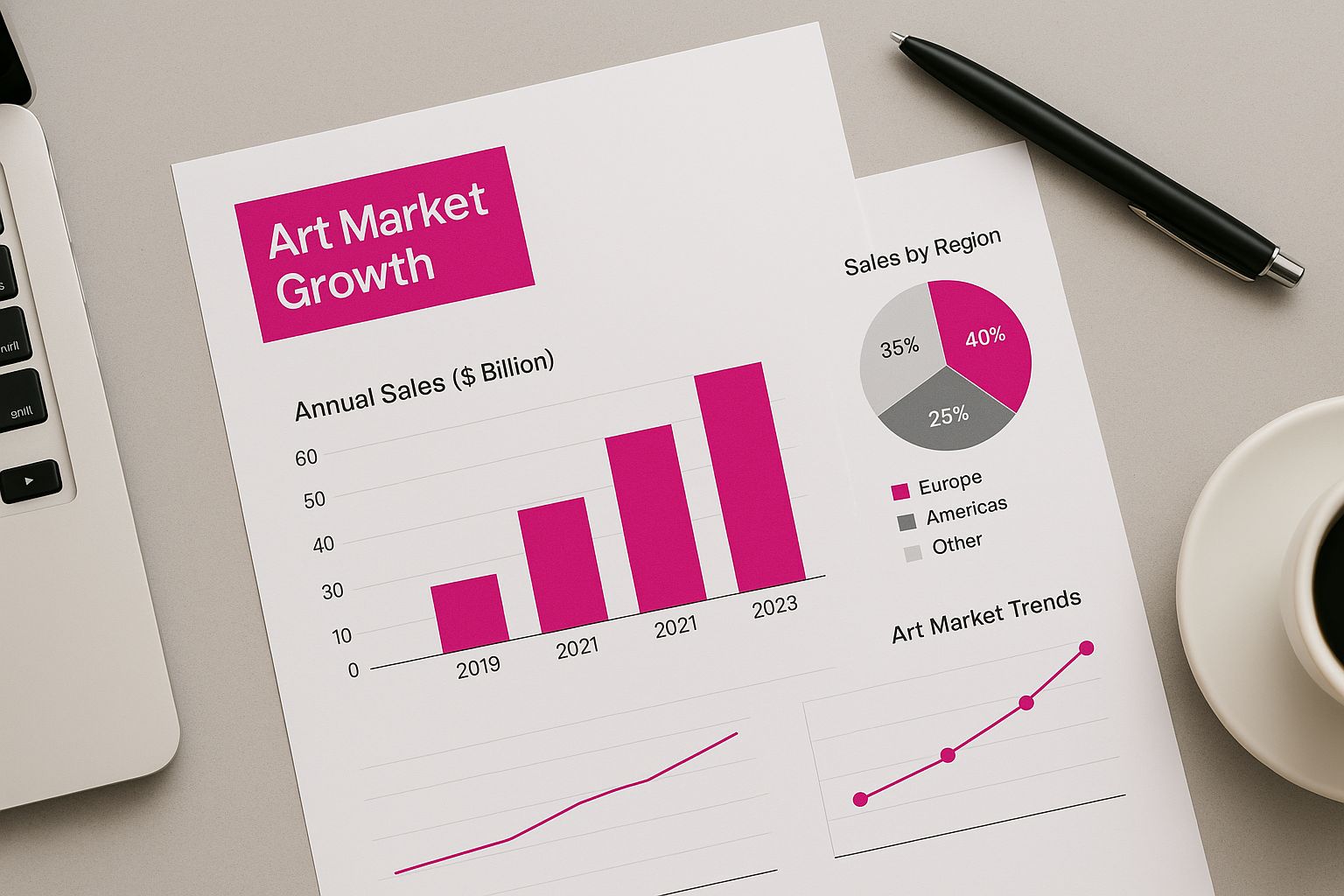
The infographic above shows art market growth data, highlighting the upward trend in sales and prices. This strong market performance, combined with the growing recognition of female artists, creates a compelling investment landscape. This positive movement suggests a promising future for those investing in female abstract artists, especially those whose work shows innovation and a unique artistic vision.
Historically, female artists have faced significant obstacles to recognition and financial success. However, this is changing. In 2022, works by female artists represented only 9% of the auction market. Yet, sales reached $825.8 million the following year, a 7.1% year-on-year increase.
This growth is fueled by rising demand for female Abstract Expressionists like Joan Mitchell, whose paintings have seen substantial value increases. Four of her paintings sold for $45.2 million in a single auction season. Find more detailed statistics here.
Evaluating Artistic Merit and Investment Potential
Evaluating investment potential requires a careful approach. Consider not only current market trends, but also the artist's potential for long-term growth. Seek out artists whose work demonstrates a unique artistic voice and dedication to their chosen style.
Auction results and gallery representation are essential data points. Also, understand how the artist's career stage influences their current market value. Early-career artists might offer higher growth potential, while mid-career artists may represent a more stable investment. This careful analysis helps distinguish lasting growth from short-term market excitement.
Understanding the Impact of Geography, Age, and Development Stage
Location, age, and artistic development stage all play a role in determining long-term value. Artists based in major art centers often have better access to galleries and collectors, which impacts their visibility and prices. An artist's age can also be a factor, with younger artists potentially offering higher returns as their careers advance.
The combination of these elements provides a complete understanding of investment potential. Just like with other investments, diversifying your portfolio across artists at different stages can help manage risks and maximize returns.
The following table offers a comparison of leading female abstract artists and their market performance.
Leading Female Abstract Artists Performance Comparison
| Artist Name | Average Price Growth | Auction Success Rate | Market Trend |
|---|---|---|---|
| Artist A | 15% | 80% | Increasing |
| Artist B | 10% | 70% | Stable |
| Artist C | 20% | 90% | Rapidly Increasing |
This table highlights the varying performance metrics of different artists, demonstrating the importance of research and analysis. As you can see, Artist C exhibits the highest price growth and auction success rate, indicating a strong upward market trend. By contrast, Artist B shows more moderate growth and a stable trend. This comparison underscores the value of considering multiple factors when assessing investment potential.
Building Your Collection: Strategies That Actually Work
Building a meaningful art collection isn't about unlimited funds. It's about informed choices with the resources you have. Whether you're starting small or aiming for museum-quality pieces, strategic planning is key when investing in female abstract artists. This section explores proven strategies for acquiring art that resonates with you aesthetically and financially. We'll cover how seasoned collectors balance emerging talent with established names, diversify their holdings, and navigate the art market.
Developing a Collection Theme
One of the most rewarding parts of collecting is building a collection that tells a story. This could be based on a specific time period, an artistic movement, or even a personal theme. For example, you might focus on female abstract artists exploring nature or those using specific techniques like layering or mixed media. A defined theme provides focus and helps you curate a collection with depth and meaning. Learn more in our article about how to master art collecting strategies.
Balancing Emerging Talent and Established Artists
Experienced collectors know the importance of balancing emerging talent with established artists. Investing in emerging artists offers greater potential for value appreciation. Established artists provide market stability and a proven track record. A balanced approach manages risk and positions your collection for enjoyment now and growth in the future. It's similar to a financial portfolio: diversification helps manage risk.
Diversifying Across Movements, Time Periods, and Price Points
Diversification is essential in any investment strategy, including art collecting. Consider artists from different movements and time periods. Diversifying across price points lets you build a multi-faceted collection without overspending. This might mean acquiring smaller works by established artists alongside larger pieces by emerging talents. This creates a dynamic collection reflecting a broad range of artistic expression.
Authentication, Condition, and Working With Experts
The art world can be complex, including authentication and assessing artwork's condition. Working with reputable galleries and art advisors can help you navigate these challenges. Galleries offer insights into an artist's career and market position. Advisors can assist with due diligence, condition assessments, and price negotiations. Building relationships with trusted experts helps you make informed choices. For example, provenance verification protects your investment and ensures authenticity.
Timing Purchases and Understanding Market Cycles
Like any market, the art market has cycles of growth and correction. Strategic timing can impact your returns. While perfectly timing the market is impossible, understanding trends and seeking expert advice helps you make informed decisions. Stay informed about auction results, gallery exhibitions, and critical reception of artists’ work. Patience and strategic thinking are essential for maximizing your investment potential when investing in female abstract artists.
Practical Guidance: Developing Your Collection
Developing a collection requires ongoing attention. This includes practicalities like proper storage and insurance to protect your investment. Also, consider a framework for tracking performance and staying informed about market changes. Like a financial portfolio, your art collection needs regular assessment and adjustments to meet your goals. These strategies can help you build a collection that brings both aesthetic enjoyment and potential financial gain.
Where To Buy And How To Avoid Costly Mistakes
The exciting world of art can also be intimidating for those just starting to collect works by female abstract artists. Knowing where to buy and how to avoid common mistakes is crucial for building a valuable collection. This section explores different ways to acquire art—from traditional galleries to online platforms—and highlights their pros and cons. We’ll also equip you with the skills you need to evaluate artwork, ensure authenticity, and make smart decisions that protect your investment.
Navigating the Art Market Landscape
There are several ways to acquire art, each with its own set of factors to consider. Galleries offer curated collections and expert advice, often representing well-established artists. Auction houses offer a broader range of prices and the thrill of competitive bidding. Art fairs provide a concentrated market overview, allowing you to discover emerging artists and compare works side-by-side. Online platforms, while increasing accessibility, require extra care regarding authentication and condition reports. The best channel for you depends on your budget, experience, and collecting goals.
To help you compare, we’ve put together a table outlining the different art acquisition channels:
To help you compare, we’ve put together a table outlining the various art acquisition channels:
| Channel | Price Range | Advantages | Considerations | Best For |
|---|---|---|---|---|
| Galleries | Moderate to High | Expertise, curated selection, building relationships with artists | Higher prices, limited selection | Established collectors, fostering gallery relationships |
| Auction Houses | Wide Range | Access to rare works, potential for bargains | Competitive bidding, buyer's premiums | Experienced buyers, seeking specific pieces |
| Art Fairs | Moderate to High | Diverse selection, discovering new artists | Time-sensitive, large crowds | Active collectors, networking opportunities |
| Online Platforms | Wide Range | Accessibility, convenience | Authentication, condition reports | Budget-conscious buyers, researching artists |
This table helps illustrate the key differences between the various channels, enabling you to select the approach that aligns best with your individual collecting preferences and circumstances.
Essential Skills for Art Evaluation
Wise investing requires careful consideration. Evaluating artwork condition means inspecting for damage, previous restorations, and proper framing. Verifying provenance, or the artwork's ownership history, is critical for authentication and assessing its value. Recognizing authenticity red flags, such as inconsistencies in style or documentation, can protect you from costly errors. Just like any investment, thorough research is essential.
Assessing Artist Potential and Market Positioning
Beyond the artwork itself, understanding an artist's career trajectory is key when investing in female abstract artists. Institutional support, such as museum acquisitions and exhibitions, builds credibility and impacts market value. Market positioning refers to how the art world perceives an artist's work. Look for artists whose work resonates with you both aesthetically and intellectually. Consider how the artist's work connects with broader art historical narratives and current trends.
Practical Tips for Successful Art Acquisition
Negotiating prices requires finesse. Understanding gallery relationships is essential for building trust and gaining access to exclusive opportunities. Building your art world network can open doors to the best opportunities before they become publicly available. Attend gallery openings, art fairs, and auctions to connect with artists, curators, and other collectors. Just as with any investment, building connections can provide invaluable insights and access. Investing in female abstract artists is a rewarding endeavor, but it’s crucial to approach it strategically and with careful consideration.
Protecting And Growing Your Investment Long-Term
Investing in female abstract artists isn't simply about the initial purchase; it's about nurturing and protecting your investment for the long haul. This requires careful planning, consistent effort, and a strategic approach. Just like any other valuable asset, art requires ongoing attention to preserve its value and maximize its potential. Let's explore some essential practices to safeguard your investment, from proper storage and insurance to understanding market dynamics and implementing long-term strategies.
Preservation and Documentation: Safeguarding Your Art
Preserving the physical condition of your artwork is paramount. This involves proper storage in a climate-controlled environment, safe from direct sunlight, extreme temperatures, and humidity. For transportation and installation, using professional art handling services is highly recommended. Comprehensive insurance coverage, specifically designed for fine art, is also crucial to protect against damage, theft, or loss. Meticulous documentation, including provenance records, certificates of authenticity, and condition reports, not only protects your investment but also increases its value over time.
Monitoring Market Trends and Rebalancing Your Portfolio
The art market is constantly changing, so staying informed is essential for making smart decisions. Tracking the performance of the artists you've invested in, monitoring auction results, and following art market publications will help you understand current trends and potential opportunities. Just like any investment portfolio, periodic rebalancing might be necessary. This means evaluating whether to sell certain pieces, acquire new works, or shift your focus to different artists or movements as the market evolves. This active management helps ensure your collection aligns with your investment goals and risk tolerance.
Leveraging Your Collection and Building a Legacy
Beyond financial appreciation, art can offer other valuable opportunities. Loaning your artwork to museums or galleries increases its visibility and contributes to the broader cultural landscape. For example, you can explore Wiktoria Florek's collection on motherhood. Art can also be a powerful tool for estate planning, providing potential tax benefits and allowing you to create a lasting legacy. Consulting with legal and financial advisors who specialize in art can help you navigate these complex areas and optimize your collection's long-term value.
Long-Term Strategies for Sustainable Growth
Building a successful art collection is a long-term endeavor that requires patience and a strategic mindset. Focus on acquiring pieces that genuinely resonate with you, both aesthetically and intellectually. Developing strong relationships with galleries, art advisors, and other collectors can provide invaluable insights and access to exclusive opportunities. By implementing these strategies, you can transform your art collection from a passive holding into an active, dynamic asset with the potential for substantial long-term growth.
Are you intrigued by the world of Wiktoria Florek's mixed media abstract art? Visit WiktoriaFlorek.com and explore a collection that transcends boundaries, evokes emotion, and transforms spaces.