
The Evolution of Personal Branding: From Concept to Necessity
Personal branding, or budowanie marki osobistej in Polish, might seem like a new idea, tied to social media and influencers. But the concept is older than you might think. Understanding this history helps us see how personal branding became the essential career tool it is today, especially in creative fields like the art world.
Tom Peters' 1997 Fast Company article, "The Brand Called You," first popularized the idea. Peters encouraged professionals to see themselves as brands, highlighting self-promotion and reputation management. However, it took time for the concept to catch on.
In recent years, thanks to social media, interest in personal branding has exploded. Google searches for "personal brand" have increased over fourfold in the last few years, showing its growing global importance. You can find more statistics at dsmn8.com.
This growth is linked to how technology has changed communication and networking. The shift from a simple idea to a practical need is clearest in fields valuing individual creativity and expression. Artists, like Wiktoria Florek, must not only create compelling art but also build a personal brand that connects with collectors and critics.
Why Personal Branding Matters in the Modern World
The modern professional world, particularly in creative industries, is very competitive. This requires a proactive approach to managing your career. Personal branding helps individuals define and communicate their unique value. Artists can use it to showcase their vision, process, and influences, forming deeper connections with their audience.
Personal branding also helps build real relationships with clients, collaborators, and patrons. In our information-saturated world, a strong personal brand helps you stand out and get recognized. This is key for artists like Wiktoria Florek, working in a global market.
The Impact of Technology on Personal Branding
Social media, online portfolios, and personal websites have changed how professionals build and manage their brands. These digital tools have democratized access to audiences, giving individuals more control over their image. Artists can now connect directly with collectors, galleries, and art lovers worldwide.
These platforms enable two-way communication and engagement, allowing individuals to build communities. This creates stronger connections and loyalty. This engaged audience can then create opportunities for exhibitions, sales, and collaborations, boosting career growth and recognition.
The Economic Power Behind Personal Brand Building
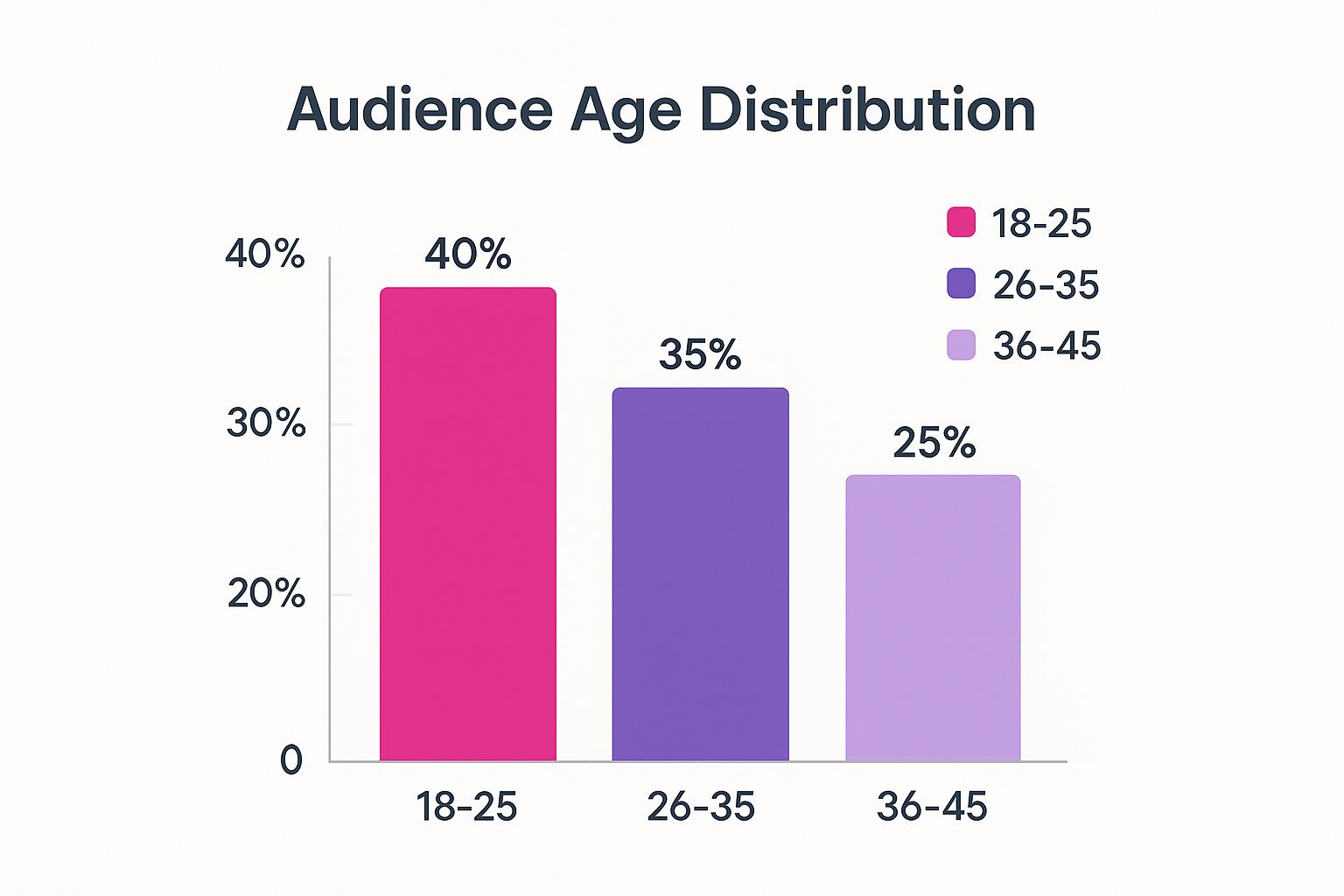
The infographic above shows the age breakdown of the audience engaged in budowanie marki osobistej, which translates to "personal brand building." The majority of this audience (40%) falls within the 18-25 age bracket. Following closely behind are those aged 26-35 (35%), with 25% belonging to the 36-45 demographic. This concentration within the younger demographic suggests a strong early-career focus on establishing a professional online presence.
Personal branding isn't just for individuals anymore. It's become a significant driver in the global economy, with businesses increasingly investing in personal branding initiatives for their employees. This investment reflects the understanding that strong personal brands can benefit organizations in tangible ways. For some additional inspiration, you might enjoy this resource: Inspirational Friday.
The Growing Market for Personal Branding
The personal branding industry is experiencing remarkable growth. It's become a force to be reckoned with, moving beyond individual career development into a significant market sector. By 2025, the global market for personal branding services is projected to reach $35 billion. Businesses are allocating an average of $1,000 annually towards these efforts.
This growth aligns with the broader shift towards digital marketing. Currently, 72% of marketing budgets are dedicated to digital channels, as detailed here. This substantial investment underscores the recognized impact of personal branding on business outcomes.
Let's explore the economic impact further with a helpful table:
"Economic Impact of Personal Branding"
Key financial statistics showing the growth and significance of personal branding as an industry.
| Metric | Value | Significance |
|---|---|---|
| Global Market Size (2025) | $35 Billion | Demonstrates the substantial scale of the industry. |
| Average Business Spending (Annual) | $1,000 | Shows the significant investment businesses are making in personal branding. |
| Digital Marketing Budget Allocation | 72% | Highlights the connection between personal branding and the broader digital marketing landscape. |
These statistics demonstrate the growing financial power of personal branding and its increasing importance in the modern business world.
Impact on Hiring and Salary
A polished personal brand can significantly influence hiring decisions. Recruiters frequently utilize online searches to assess candidates' skills and experience. A strong personal brand helps candidates stand out, especially in competitive creative fields like art.
Moreover, a well-established online presence provides leverage during salary negotiations. Professionals can demonstrate their expertise and justify higher compensation based on their brand's value. This is particularly relevant in fields where reputation and recognition are key, such as the art world.
Expanding Business Opportunities
Beyond employment, personal branding is crucial for entrepreneurship and business development. A recognizable brand can lead to new partnerships and client acquisitions. In the art world, a strong personal brand can attract gallery representation and media coverage, increasing demand for an artist's work.
This connection between personal brand and business success is amplified by the prominence of digital marketing. With online channels dominating marketing spend, a robust online presence is essential. Professionals who effectively leverage their personal brand online gain a distinct competitive edge. This shift is changing how businesses operate and how professionals build their careers.
Finding Your Audience and Unique Value Position

Building a successful personal brand, much like budowanie marki osobistej, starts with knowing your audience. Many branding efforts fall short because they try to reach everyone, weakening their message and overall impact. This section explores how to identify your ideal audience and define your unique value proposition, creating a focused strategy for success.
A strong personal brand isn't about shouting to the masses. It's about making genuine connections with the right people. Think of it like using a spotlight: a wide beam covers a large area but with little intensity. A focused beam, however, concentrates its power, creating a much brighter, more impactful light. Similarly, focusing your personal brand allows you to connect more deeply with a specific audience and provide more relevant value.
A 2025 benchmark report on personal branding highlights this exact problem. While many professionals understand the importance of personal branding, a surprising 65% admitted they haven't identified their target market or established themselves as experts. More detailed statistics can be found here. This oversight prevents effective communication and ultimately limits career growth and opportunities.
Defining Your Ideal Audience
Understanding your audience means going deeper than simple demographics. It requires understanding their ambitions, difficulties, and motivations. This deeper knowledge informs your messaging, content creation, and overall branding strategy.
-
Create Audience Personas: Develop detailed profiles of your ideal audience members. Consider their professional background, interests, goals, and pain points. Visualizing your audience as individuals makes it easier to tailor your message for maximum impact.
-
Conduct Competitive Analysis: Analyze the personal brands of successful individuals in your field who are reaching your target audience. What strategies are working for them? What gaps can you fill? This research helps you differentiate your brand and identify untapped opportunities.
-
Engage in Active Listening: Follow conversations within your industry, especially on social media and online forums. What questions are people asking? What challenges are they facing? This real-time feedback provides valuable insights into audience needs.
Crafting Your Unique Value Proposition
Once you understand your audience, you can define your unique value proposition, the core of your personal brand. This is what makes you uniquely valuable to them.
-
Identify Your Strengths: What are you truly exceptional at? What skills and experiences differentiate you? Focus on areas where you excel and offer real value to your audience.
-
Address Audience Needs: How do your strengths align with your audience's challenges and goals? Your unique value proposition should clearly demonstrate how you can help them succeed or overcome obstacles.
-
Communicate Clearly and Concisely: Refine your value proposition into a clear, concise message that resonates with your target audience. This statement will guide your messaging across all platforms.
For example, if you specialize in large-scale abstract paintings, your target audience might be interior designers and art collectors. Your unique value proposition could be your ability to create evocative art that transforms spaces. This focused approach connects you with the right audience and positions you for success. You can also read: Studio Talks. By understanding your ideal audience and crafting a compelling value proposition, you transform generic self-promotion into a powerful branding strategy, unlocking relevant opportunities.
Digital Platform Mastery for Personal Brand Growth
Building a strong personal brand, or budowanie marki osobistej, requires a strategic approach to online platforms. It’s not enough to simply have profiles; you need to understand how each platform functions and tailor your content accordingly. This exploration delves into mastering various digital platforms, transforming online visibility into real professional opportunities. For content creators, platforms like Threads are very valuable for brand building. More information can be found in this helpful resource: Building Personal Brand Threads Content Creators.
Platform-Specific Strategies
Different platforms cater to different audiences and content formats. A scattergun approach won’t work. You need a tailored strategy for each.
-
LinkedIn: This platform is your professional hub. Focus on sharing industry insights, career achievements, and thought leadership content. Engage in discussions and connect with other professionals in your field.
-
Twitter: Use Twitter for real-time updates, sharing opinions, and joining conversations. Its fast-paced nature allows for quick engagement with a broad audience.
-
Personal Website: This is your digital home base, showcasing your full portfolio and story. Think of it as your online gallery.
-
Emerging Networks: Stay informed about emerging platforms. While not all will be relevant to your brand, some might offer unique opportunities to connect with niche audiences. Carefully evaluate each before investing time and effort.
Content Formats that Drive Engagement
Creating engaging content is crucial for personal brand building.
-
Blog Posts: In-depth articles on your website provide valuable information and establish you as a thought leader. They allow you to connect with audiences on a deeper level.
-
Videos: Video is a powerful medium. Short clips, artwork reveals, or time-lapses of your creation process can capture attention.
-
Images: High-quality images of your work are essential. Presenting your pieces in beautiful settings or capturing details strengthens their visual appeal.
-
Infographics: Data visualization can make complex information easily digestible. An infographic showcasing relevant trends could establish your expertise.
To help visualize the strengths of each platform, let's look at a comparison:
Platform Comparison for Personal Branding
Analysis of different digital platforms and their effectiveness for specific personal branding goals
| Platform | Best For | Content Types | Audience Reach | Time Investment |
|---|---|---|---|---|
| Professional networking & industry insights | Articles, videos, images, text posts | Professional connections, potential employers | Moderate to High | |
| Real-time updates & public discussions | Short-form text, images, videos | Broad audience, diverse interests | Low to Moderate | |
| Personal Website | Showcasing portfolio & in-depth information | Blog posts, images, videos, long-form text | Targeted audience, potential clients | High |
| Threads | Community building and engagement | Short-form text, images, videos | Niche audiences, specific interests | Low to Moderate |
This table highlights the key differences between platforms, helping you choose the right one for your specific branding goals. Focusing your efforts on the most effective platforms will yield better results.
Realistic Workflows for Content Creation
Many avoid content creation because they think it's too time-consuming. However, with a little planning, it can be manageable.
-
Repurposing Content: Maximize your efforts by adapting existing content. A blog post can become a series of tweets or the basis for a short video.
-
Batch Creation: Dedicate specific time slots for content creation. This focused approach improves efficiency and consistency.
-
Content Calendar: A content calendar helps you plan ahead, maintaining a steady flow of content and preventing last-minute scrambles.
Translating Visibility into Opportunities
Ultimately, your online presence must translate into tangible results. A strong personal brand can lead to several benefits.
-
Job Offers: Recruiters actively use online platforms to find talent. A compelling online presence increases your visibility.
-
Collaborations: Networking can lead to valuable partnerships. Connecting with other creatives can open doors to joint projects.
-
Business Growth: A strong personal brand can attract clients and customers. A well-maintained online portfolio is essential.
-
Speaking Engagements: Building a reputation as a thought leader online can lead to speaking opportunities at conferences and industry events.
By developing platform-specific strategies and creating engaging content, you transform your online presence into a powerful engine for career growth and professional success. This strategic approach to budowanie marki osobistej ensures that your digital efforts yield tangible results.
Unlocking Multimedia Content for Maximum Brand Impact

While budowanie marki osobistej (personal brand building) often centers around written content and static images, overlooking multimedia can significantly limit your reach. For artists especially, visuals and personality are key for connecting with an audience. Think of multimedia as adding depth to your online presence, transforming a static image into a dynamic experience.
This section explores how video, podcasts, and webinars can amplify your personal brand. You might be interested in seeing how this applies in the real world: Wiktoria Florek's Original Art.
Overcoming Barriers to Multimedia Creation
Many avoid multimedia due to perceived technical challenges or performance anxiety. However, these obstacles are often simpler to overcome than you might think. Basic recording equipment and free editing software like DaVinci Resolve can produce high-quality content. Practice and preparation can minimize anxiety, turning nerves into confident delivery.
Repurposing Content for Multimedia Formats
Creating new content takes time. Repurposing existing written work into multimedia offers an efficient alternative. Blog posts can become video scripts or podcast outlines. This helps you reach a wider audience with minimal extra work, maximizing your existing content's impact. For example, a blog post about your artistic techniques could become a short, engaging video demonstration.
Appearing as a Guest on Established Platforms
Using established platforms expands your reach. Guesting on relevant podcasts or webinars helps you connect with new audiences. This is particularly helpful for artists, letting them share their perspectives and build relationships with collectors and other key figures in the art world.
Surprisingly, many miss these opportunities. A report reveals that 78% of professionals haven't guested on podcasts or webinars, and 87% aren't utilizing video. This is despite video's dominance on platforms like LinkedIn, where only 13% of leaders use it. Find more detailed statistics here. This represents a significant missed opportunity for building authority and expanding your network.
Developing a Sustainable Content Calendar
Consistency is crucial for a strong personal brand. A sustainable content calendar helps you stay organized and prevents burnout. Plan content in advance, alternating between multimedia formats to keep your audience engaged. Start small and gradually increase your output as you become more comfortable. To grow your brand, focus on LinkedIn strategies. You can find more information on how to Build Your Personal Brand On Linkedin. This prevents feeling overwhelmed and allows consistent delivery of valuable content.
Creating Professional Content Without Expensive Equipment
High-quality multimedia doesn't require a huge investment. Good lighting, clear audio, and concise editing are more important than expensive equipment. Numerous affordable tools and resources are available for creating professional videos and podcasts. Focus on delivering valuable content; your audience will appreciate your efforts regardless of production value. By strategically utilizing these techniques, artists and other professionals can unlock multimedia's potential, transforming their personal brands into powerful tools for connection, growth, and success.
Measuring What Matters in Personal Brand Building
Building a strong personal brand, or budowanie marki osobistej, is more than just having an online presence. It's about strategically creating a presence that leads to real-world results. This means looking beyond superficial metrics like follower counts and likes, and focusing on measurements that truly reflect your brand's effectiveness. This section offers practical ways to measure what truly matters in your personal brand building efforts.
Beyond Vanity Metrics: Focusing on Meaningful Measurement
Many people get caught in the trap of superficial metrics, forgetting the real purpose of personal branding. While followers can provide a surface-level indication of reach, they don't tell the whole story. True brand success comes from meaningful engagement, relevant network growth, the opportunities created, and how it all contributes to career growth. Think of it this way: the number of people who visit an art gallery is less important than the meaningful connections the artist makes with collectors and critics.
Key Performance Indicators (KPIs) for Personal Brand Success
To effectively measure your brand’s progress, you need to identify Key Performance Indicators (KPIs) that align with your goals. These KPIs give you a quantifiable way to track your progress and spot areas for improvement.
-
Engagement Quality: Don't just count likes. Look at the quality of the interactions. Are people leaving thoughtful comments? Are they sharing your content? This demonstrates real interest and connection.
-
Network Growth: Focus on building a network of contacts who are relevant to your field. Are you connecting with people who fit your target audience? Are these connections resulting in collaborations or other opportunities? Prioritize quality over quantity.
-
Opportunity Generation: Keep track of how your brand leads to tangible opportunities. Are you being invited to speak at events? Are you being approached for collaborations or projects? Are you seeing an increase in client interest?
-
Career Advancement: The ultimate goal of your personal brand should be to support your career goals. Are you being invited to more interviews? Are you getting job offers with better compensation? Are you achieving wider recognition for your expertise?
Establishing Realistic Benchmarks and Interpreting Data
Setting realistic benchmarks is crucial for effective measurement. Remember that your KPIs will naturally evolve as your brand grows. A new artist might focus on building a small but engaged following on Instagram, while a more established artist might focus on gaining gallery representation and media coverage. Regularly review your data to spot trends and patterns. This helps you make smart decisions and adapt your strategy when needed.
Building Your Measurement Dashboard: Practical Examples
A measurement dashboard gives you a visual overview of your progress, allowing you to quickly pinpoint areas for improvement. This could be something as simple as a Google Sheets spreadsheet or a more sophisticated analytics platform. Here are some elements to consider including:
-
KPI Summary: Clearly present your most important metrics. This might include your engagement rate, network growth rate, and number of opportunities generated.
-
Progress Tracking: Visualize your progress over time using charts and graphs. This lets you see at a glance how your brand is developing.
-
Platform Breakdown: Analyze your performance on different platforms like LinkedIn, Twitter, or industry-specific forums. This allows you to direct your resources to where they'll be most effective.
-
Campaign Analysis: Track the outcomes of particular campaigns or initiatives. This allows you to refine your approach and improve future efforts.
By tracking these relevant metrics and reviewing your data regularly, you turn your personal brand, your budowanie marki osobistej, into a measurable and strategic tool for career growth. A data-driven approach allows you to make informed decisions, improve your strategy, and have a greater impact.
Transforming Your Personal Brand Into Career Advancement
Building a strong personal brand, or budowanie marki osobistej, is essential. But the real value lies in transforming that brand into concrete career progress. This section connects your online presence with real-world professional results. We'll explore how strategic personal branding can lead to job offers, promotions, speaking engagements, and business partnerships.
Leveraging Your Personal Brand in the Job Search
A strong personal brand can significantly improve your job search. It's no longer enough to simply have a well-written resume. You also need to showcase your skills, experience, and personality online. Your online presence becomes a dynamic extension of your resume, providing potential employers with a deeper understanding of who you are and what you offer.
-
Targeted Applications: Understand your ideal audience and target your job applications accordingly. Focus on companies with values that align with your own, where you can clearly demonstrate your value.
-
Networking Opportunities: Connect with industry professionals online. Join relevant LinkedIn groups, participate in discussions, and build relationships that can lead to job opportunities.
-
Showcasing Expertise: Share articles, blog posts, or videos that demonstrate your knowledge and skills. Position yourself as a thought leader in your field.
Negotiating Salary and Benefits
A well-established personal brand can give you an advantage during salary negotiations. By showcasing your achievements and expertise online, you demonstrate your value and justify higher compensation. This is especially important in creative fields where recognition and reputation significantly influence earning potential.
-
Demonstrating Market Value: Highlight your achievements, awards, and positive client testimonials online. This demonstrates your worth in the industry.
-
Building Confidence: A strong brand builds confidence, empowering you to effectively communicate your value proposition during negotiations.
Expanding Business Development Opportunities
For entrepreneurs and freelancers, budowanie marki osobistej is crucial for attracting clients and building partnerships. Your online presence becomes your main marketing tool, connecting you with potential clients and collaborators globally.
-
Lead Generation: Use your platform to generate leads and direct traffic to your website or portfolio. Showcase client work and testimonials to demonstrate your abilities and build trust.
-
Building Credibility: Establish yourself as an expert by sharing valuable content, participating in industry events, and networking with key players in your market.
Today, platforms like LinkedIn are essential for professionals, with 89% of B2B professionals using it for professional purposes. 28% of hiring managers state that online profiles are the most effective resource for finding candidates. 98% of employers research candidates online, and 47% are less likely to interview someone they can't find online. Find more detailed statistics here. This highlights the importance of a strong online presence.
Maintaining Authenticity While Strategically Positioning Yourself
Strategic positioning is important, but authenticity is key. Your personal brand should reflect your true values, passions, and expertise. This genuine approach builds trust and fosters stronger connections with your audience.
-
Telling Your Story: Share your personal and career journey. This humanizes your brand and creates deeper engagement.
-
Focusing on Your Values: Communicate the values that guide your work and decisions. This resonates with audiences who share those values.
Overcoming Obstacles in Translating Visibility into Results
Many professionals struggle to translate online visibility into tangible results. Common challenges include:
-
Inconsistency: Sporadic posting and engagement can hinder your progress. Maintain a consistent online presence.
-
Lack of Focus: A scattered approach to platform usage and content creation can dilute your message. Focus on platforms and content formats aligned with your goals and target audience.
-
Ignoring Analytics: Failing to track your progress can prevent you from adapting your strategy. Use analytics to understand what's working and what needs improvement.
By understanding these challenges and implementing the strategies discussed, you can leverage your personal brand for career advancement, turning online visibility into real-world success.
Are you ready to elevate your artistic career and connect with a global audience? Visit Wiktoria Florek's website to explore her captivating mixed media abstract art and discover how her unique personal brand has fueled her success.